
How to find a winter coat that is worth investing in: one that balances stylishness and function with unbeatable silhouettes for 2026 that combine really advanced insulation technology and everlasting designs. The coat, however, should work as a shell-way protection against all sorts of freezing slush and dry subzero winds to ensure a constant core temperature without unduly burdening the wearer.
Classic Down Parka
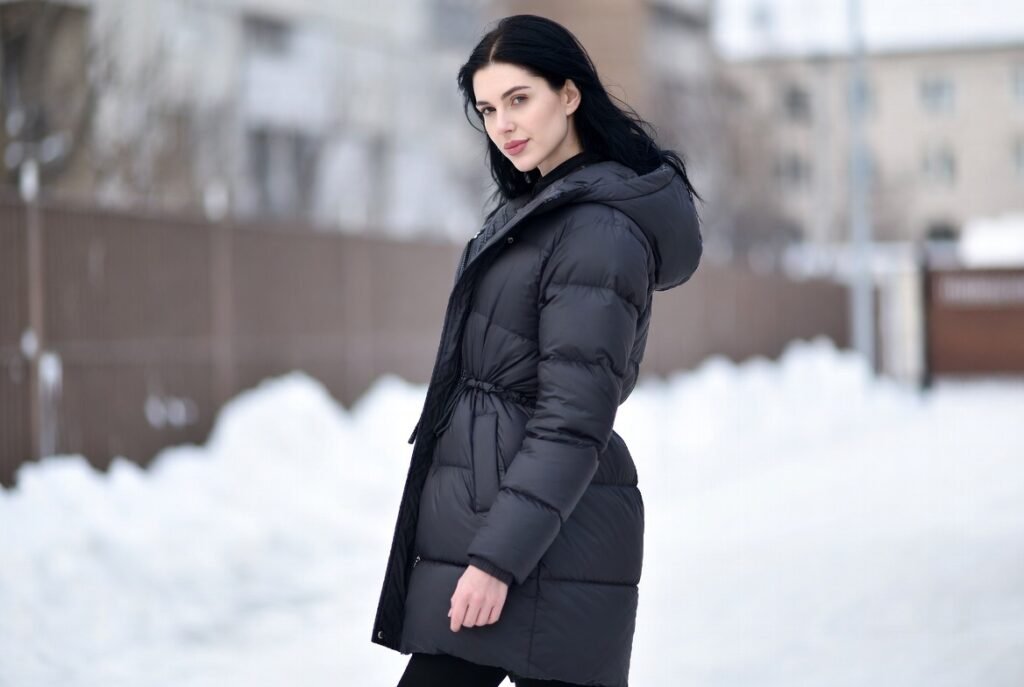
Nothing is as good for extreme cold conditions like a quality down parka. Duck or goose down, the so-called under-soft, gives you the highest warmth-to-weight ratio (called fill power) when used: the higher the fill power rating, the better the warmth per weight of down. Most parkas end at mid-thigh length; you might want to make sure it even covers the mid-section of your body to protect against the wind blowing over your hips and rest your upper leg doing that.
Insulated Synthetic Puffer Coats

In wet or snowy situations, you should use synthetic insulation instead of down; down is not as good of an insulator when it gets wet, whereas synthetic fibres like PrimaLoft insulate even when wet (practically, they are not). Old puffer coats used to be so reluctant to bulge.
Wool Wrap Coats

Droopy wool wrap coats have always been a classic sartorial must-have for business or more dressier occasions. Wool is the hallmark of self-water resistance and excellent temperature control. With a wide wrap-style belt, it can be cinched at the waist to avoid the cold air breezing underneath the fabric.
Technical Shells for Layering
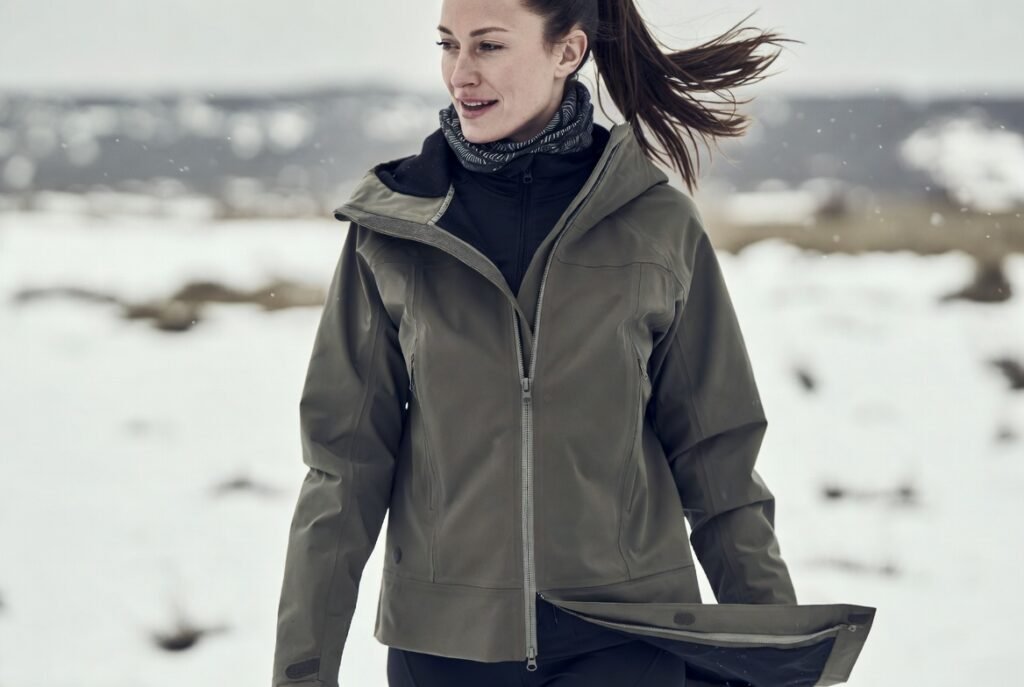
This should be a waterproof shell for anything active while it opens. It really isn’t going to be very insulated but may go over anything fleece or lightweight down jackets. This “layering system” really is the most versatile to handle changing winter temperatures.
Faux Fur and Shearling

Never cozy enough when wearing some faux shearling or faux-fur lining (also referred to as “teddy” coats). They lie thickly in an envelope of warm air against your skin. Ideal for dry cold days when the need is something soft and comfy.
The Outermost Fabric Consideration
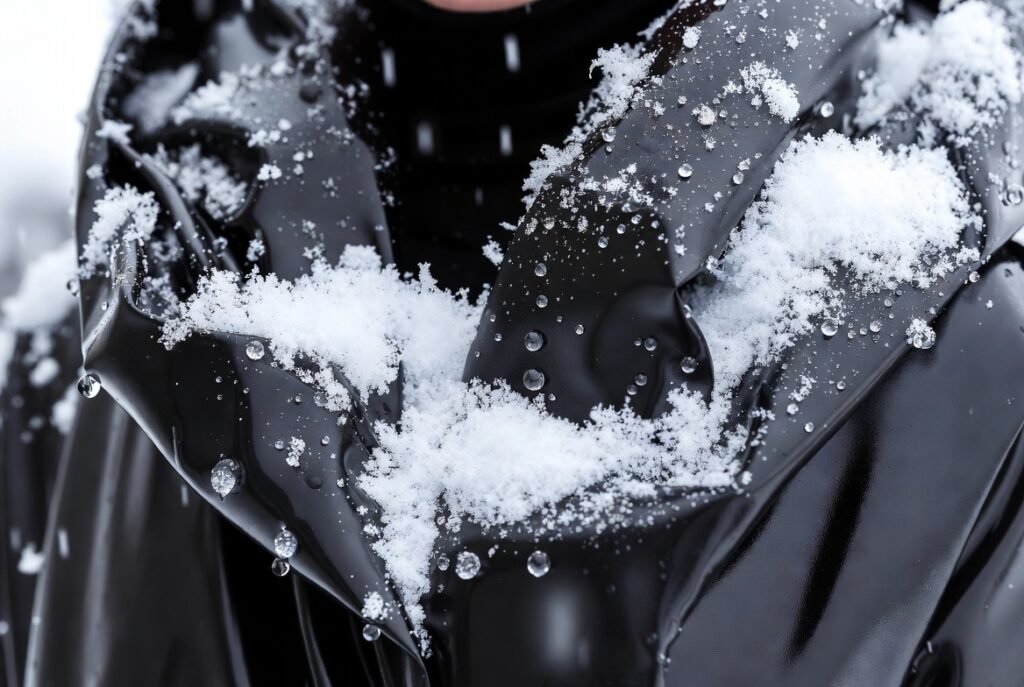
As good as the filling is, a good outside shell is. Look for “DWR.” The coating enables snowflakes and rain drops to bead up and roll off, penetrating the fabric and making you cold.
Look for “Storm Cuffs”
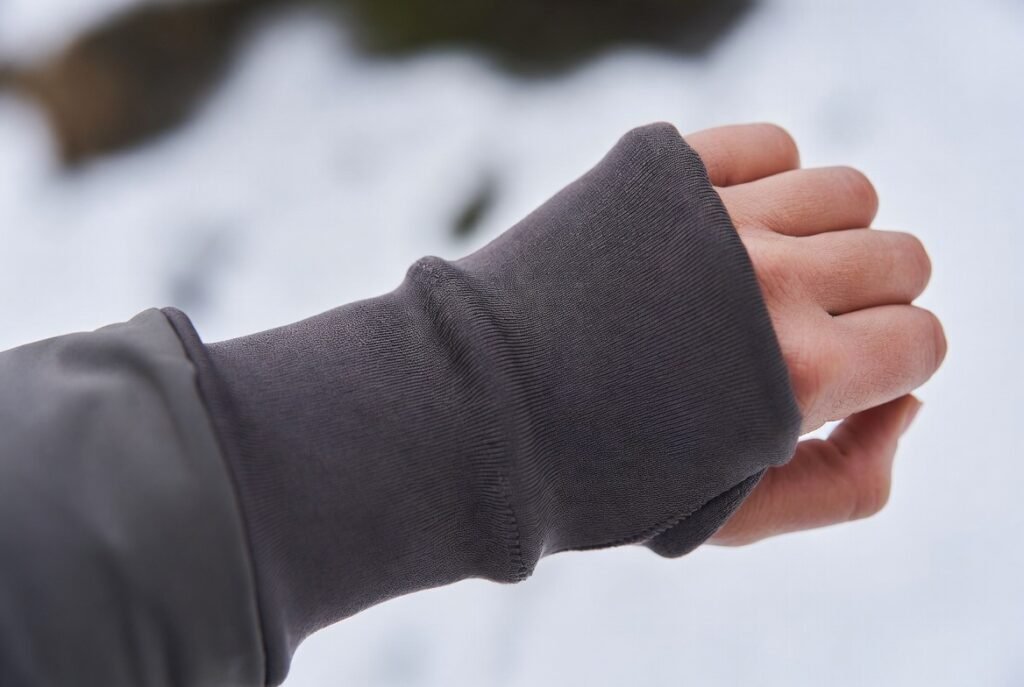
An excellent winter coat has to have elastic or ribbed storm cuffs that hug your wrists, preventing icy winds and snow from creeping up your arms. You may not think it makes much difference; trust us, it does!
Fleece-Lined Pockets
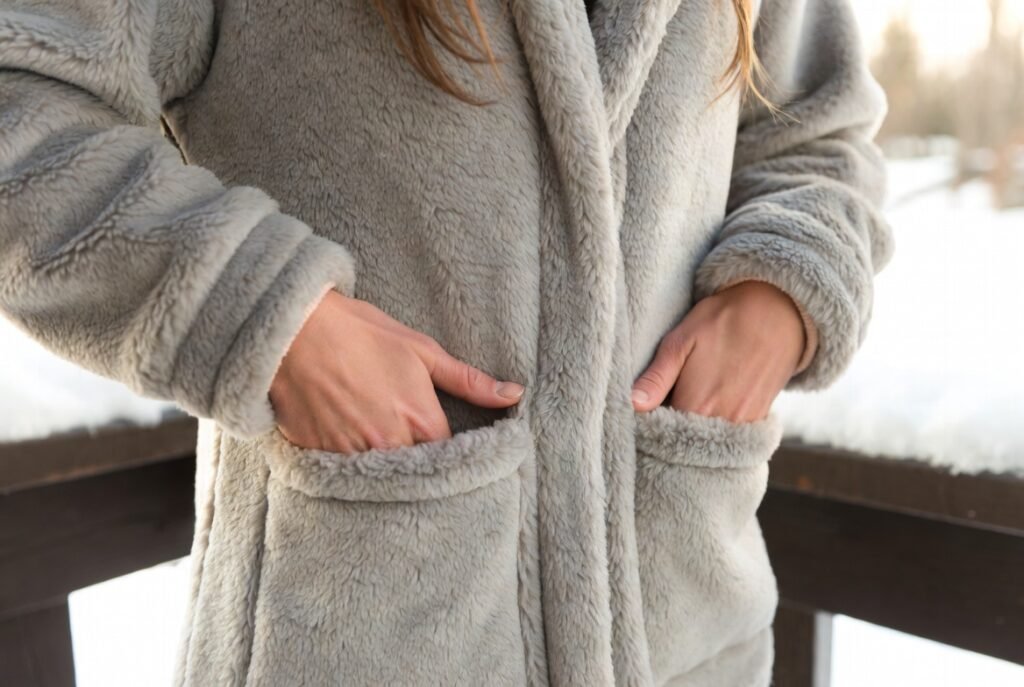
Inspect the pockets before you buy one. A decent winter coat has those fleecy or soft flannel-lined pockets in which to warm your hands should your gloves betray you, and of course, for a little extra insulation in between.
Two-Way Zipper

Most long coats are uncomfortable for sitting or walking. Check for a two-way zipper, which means the coat can be unzipped from the bottom up for much more leg room while continuing to keep the chest and torso all protected against the outside cold air.
Importance of a Good Hood

A good fuzzy hood is a great friend in case the wind comes from the side. Some hoods are designed with a faux-fur ruff layer on the outside; this shaggy fur is not merely for decoration but actually breaks the wind from hitting the face, preventing frostbite on the skin while leaving the nose and cheeks in warmth.