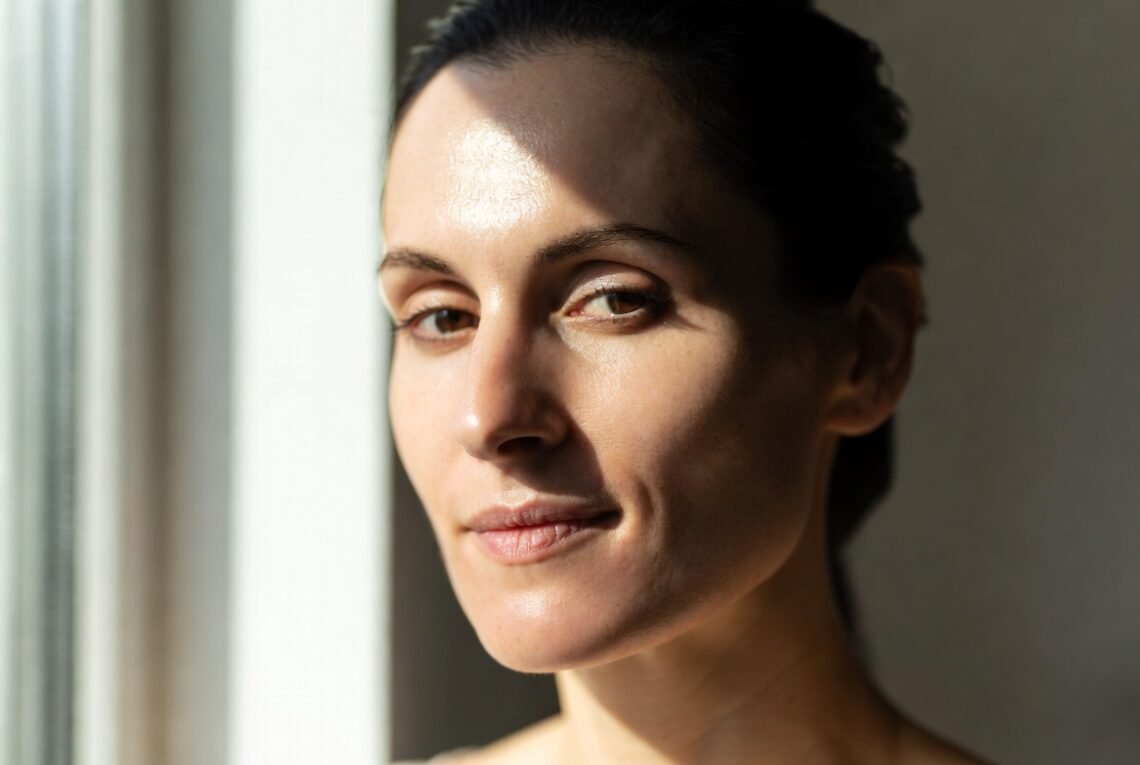
To be young and appear to be aged in reverse means much more to cementing the bone structure than draining a pot of cream. The tenacious 30s, wherein collagen formation is going downhill, are the phase of life when everything done in the name of fun under the sun starts to show up on the skin surface-an all-too-obvious reminder of a fading prototype by a competent lecturer.
Daily Sun Protection (The Non-Negotiable)
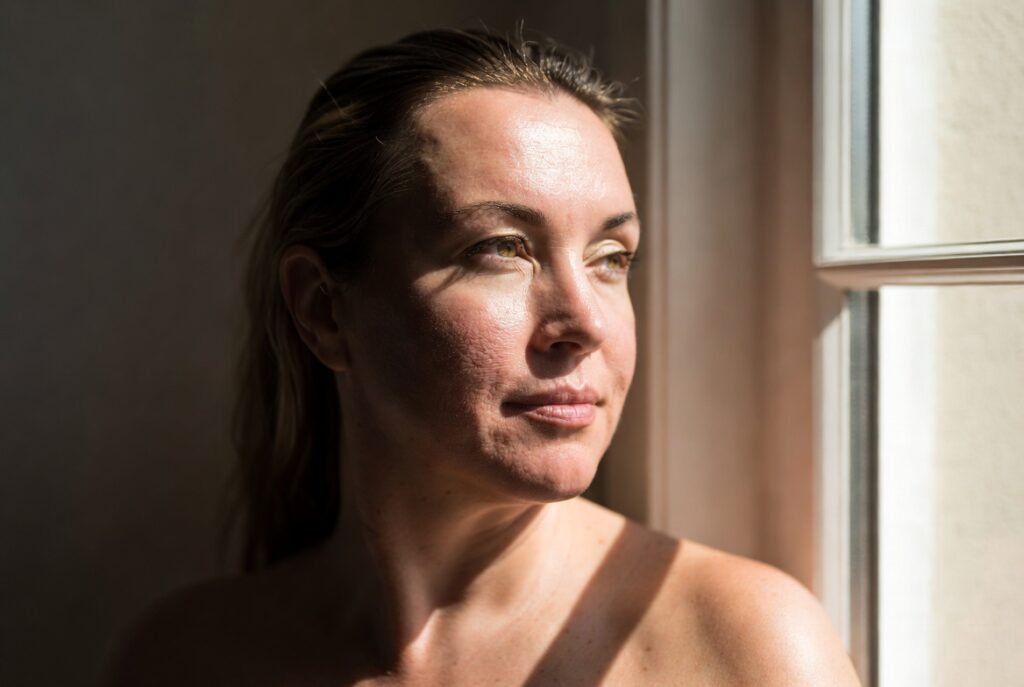
Most important of all the secrets to that stare-stopping, lustrous, youthful skin is the commitment to that all-important sunscreen higher than SPF 30 every single day. None of these one in a million clichés are untrue; it will damage skin black or cloudy days. Today, it is at least 80 percent of everything visible in skin aging-wrinkles and marks that look like a dead mother but remain looking fantastic in their 40s and 50s; those people protected their skin from the sun with massive enthusiasm in their 30s.
When to Start Retinoids
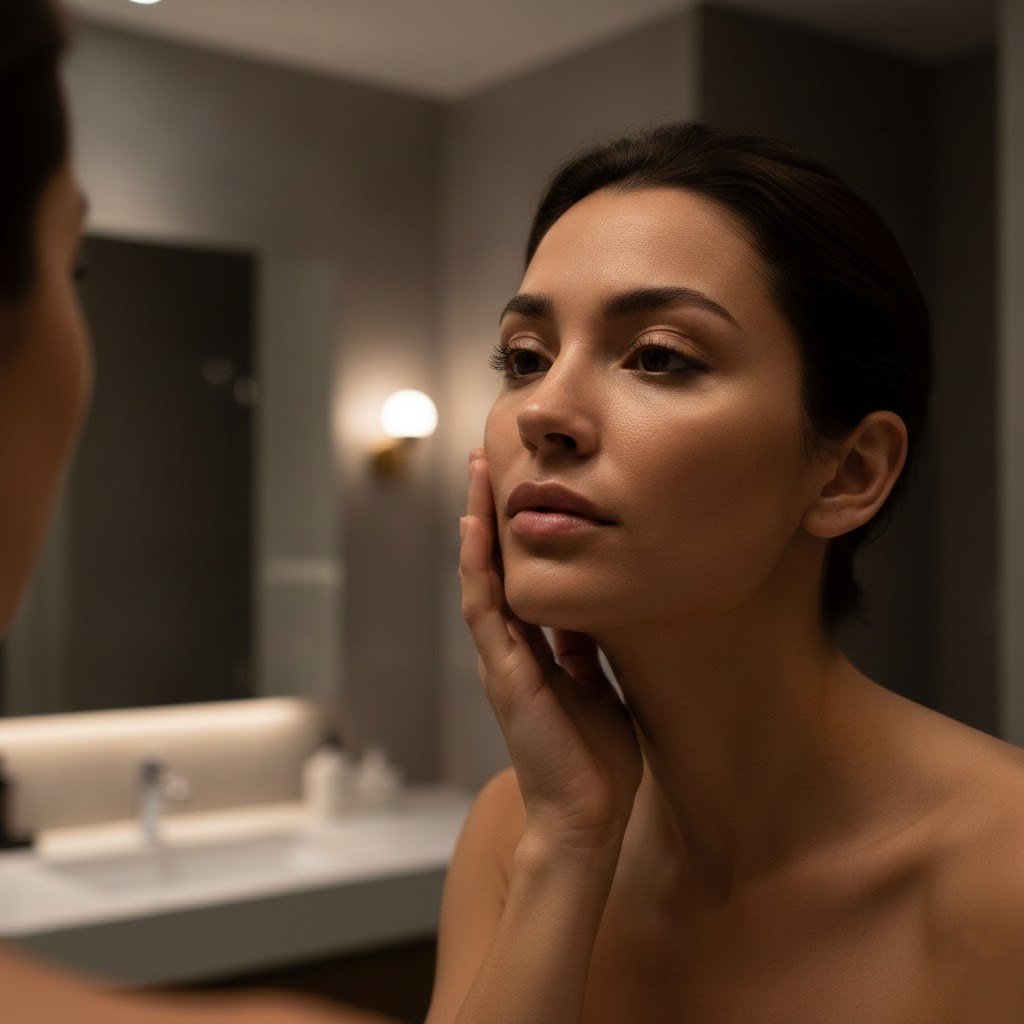
30 is the best time to introduce that potent age-fighting retinoid, specifically retinol or tretinoin. They probably are the most effective anti-aging agents, causing a faster cell turnover upon telling the skin then to boost collagen production. Softens those fine lines before they develop into deep wrinkles and keeps skin texture refined and clear.
Hydration from the Inside
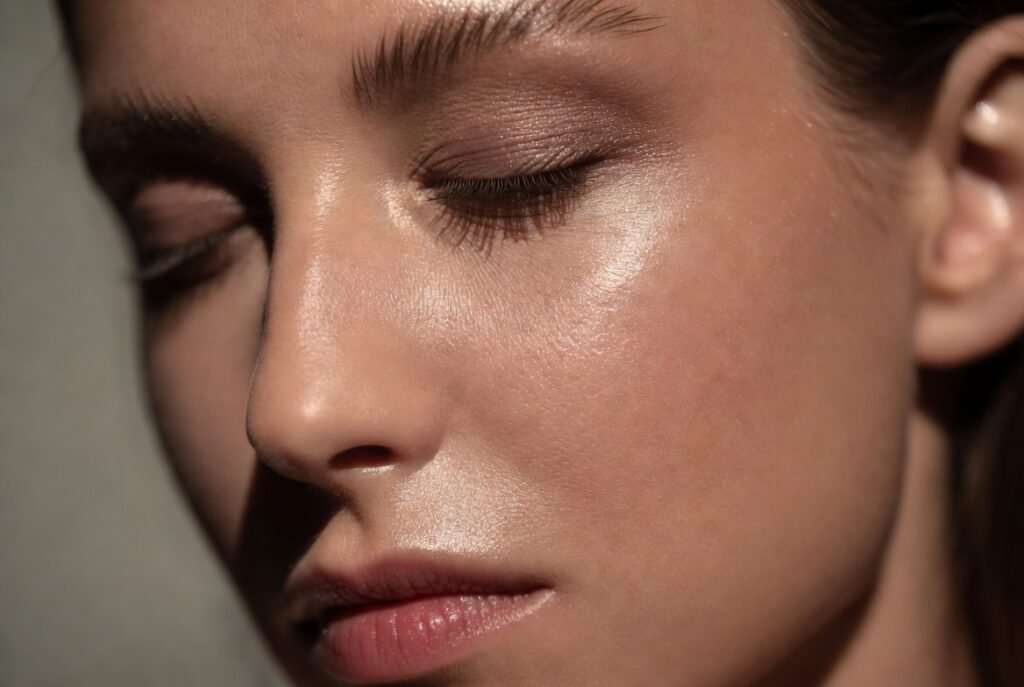
Of all, creams are really essential; but it is rather the moisture inside that keeps skin elasticity tissue. Enough water plus foods that have high-water content improve the quality of skin appearance swallowed; one can appear older because fine lines seem more emphasized when skin is dehydrated.
Concentrate the “Holy Trinity” of Serums

These are the three major active ingredient components wise women in their 30s have been applying: Vitamin C by day (brightened and protected from pollution), Hyaluronic Acid (moist) and Retinol in the evening. This takes care of protection, hydration, and repair.
Prioritizing Good Sleep

That is: “They never call it beauty sleep for nothing.” Growth hormones in deep sleep help repair the damaged cells and tissues. During sleep deprivation, the body releases cortisol (stress hormone that actually contributes to breakdown of collagen). Seven to eight hours usually counts as free therapy against aging, not to mention sleep.
Stress Management

Stress sits on the face because women suffering from chronic stress tend to be inflamed, break out, and form tech necks. However, stress is not part of them, as those women who manage their mental wellness either through yoga and meditation or simply setting boundaries usually come closer to that relaxed youthful look with just not tensing those beautiful facial muscles all the time.
Remember the Neck and Hands

Of all, skin care largely ends here-at the jawline. Because the neck and backs of hands have thinner skin, in fact, they show age even much faster than facial skin. Applying even a serum and sunscreen onto one’s neck, chest, and hands would be that significant thing a pro move will pay off later in mismatched aging.
Antioxidant-rich Food

If sugar damages collagen from the inside through glycation, making the mesh stiff and brittle, then fruits, dark greens, and nuts. Sugar is bad: it ages your skin from inside. Much more than just antioxidants, these foods fight against free radicals: cells, making it younger.
Silk or Satin Pillowcases

With all the numbers added to age after thirties, there is now no longer a “bounce back” from creases formed because of sleeping on skin. Certainly, a silk or satin pillowcase makes that rubbing of the face by a pillow during the night much lower and thus, sets fewer creases into permanent wrinkles that the pillow creates in the morning. Besides, it won’t suck in the moisture of the skin.
Consistency over intensity
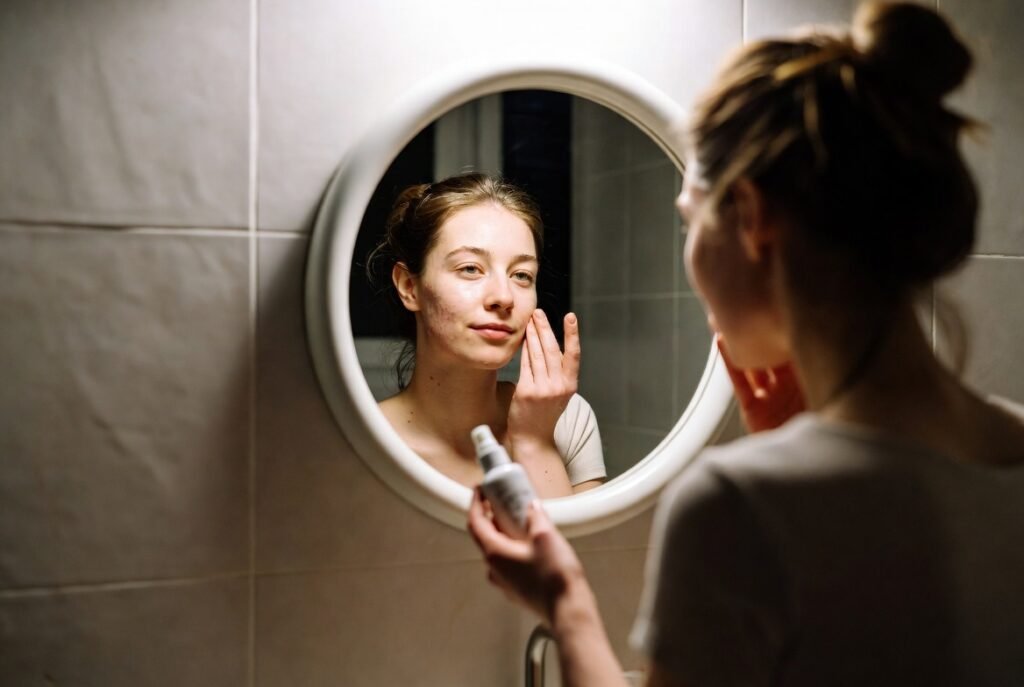
It is not treatment being really expensive or aggressive which stands out as more under the younger women category per se; rather, peoples’ habits at night are washing faces and not forgetting to moisturize, those who tend to be very similar to younger women. Slowly but surely with daily applications over a period would prove more beneficial against aging compared with rare expensive quick fixes in the long run.