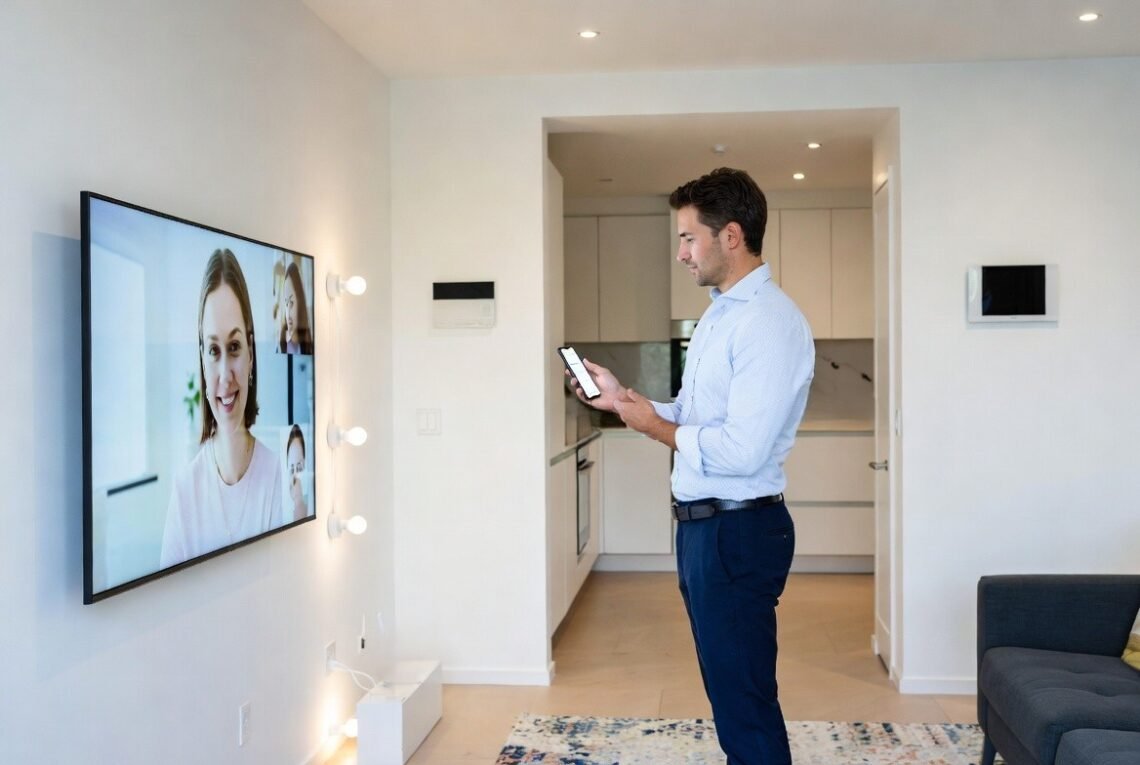
Just like any other home, smart homes need timely maintenance in order to be efficient, secure, and convenient. The very purpose behind developing smart devices is that people will use them in day-to-day lives and hence be automatically done. However, these devices would still require check-ins frequently to keep running reliably and safely. In addition, a weekly maintenance check on a system is invaluable in troubleshooting minor problems before they go very far into becoming extensive and costly repairs that lead to system failures. It also co-exists smoothly with smart technology and physical components.
Test Smart Security Cameras and Alarm Systems

Cameras are online and recording well and the footage is clear. Run motion detection, night vision, alert notifications to establish whether your security system is still well responsive.
Verify Smart Locks and Entry Controls
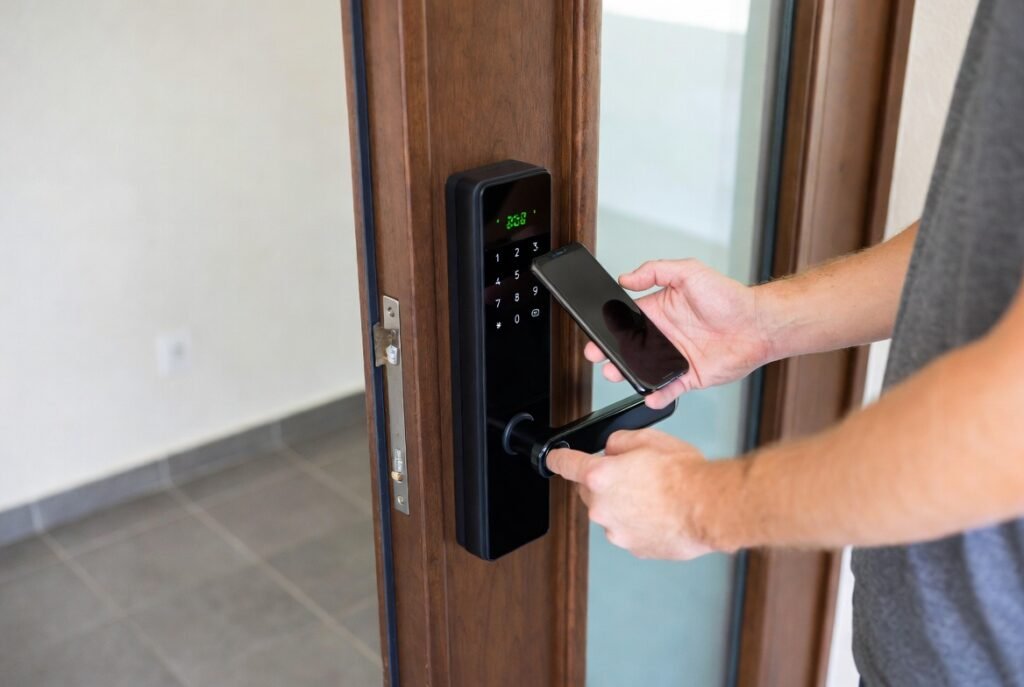
Battery life and response time for smart locks, along with checking that manual overrides work as they should, are all in better shape. Access codes should also be checked, with any outdated or unused entries removed for improved security.
Monitor Wi-Fi Strength and Network Stability

A solid network is critical for smart home functions. Check your router’s health, coverage from signal, and how many devices you have attached to keep from having a sluggish connection, dropped signals, or late automations.
Review Smart Lighting Performance and Automation

Test for lighting schedules, lighting which is motion activated, and app control. Replace any flickering or unresponsive bulbs and fine-tune scenes or routines so your lighting operates as you intend.
Inspect HVAC Filters and Airflow
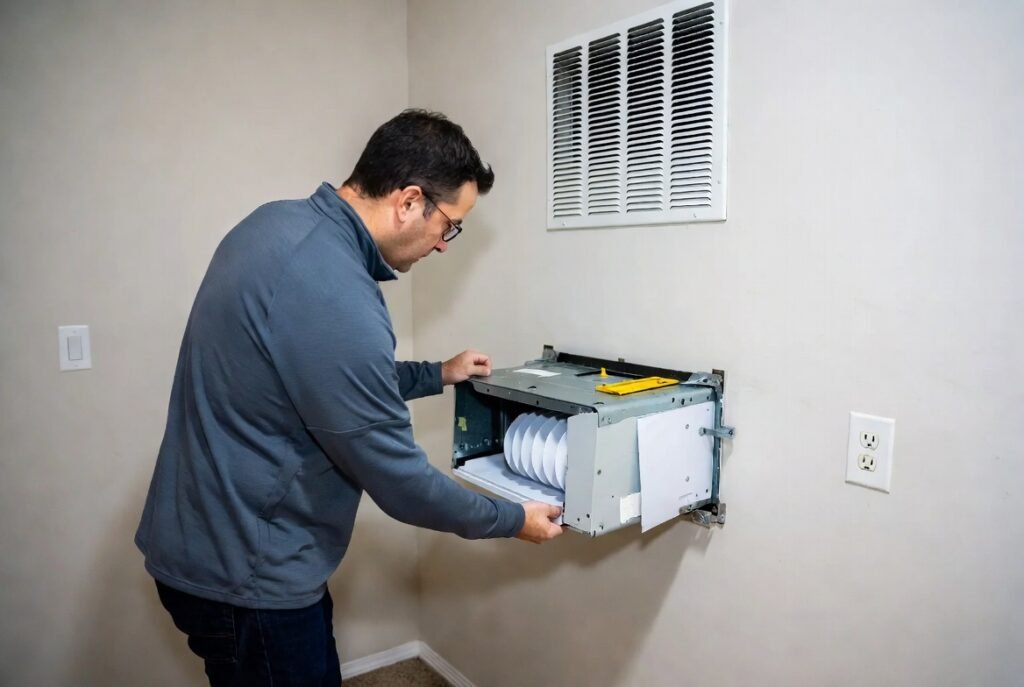
This checks that the vents are off and without obstructions to flow so that air can be moved through the system and allow for proper temperature control.
Check Smart Appliance Alerts and Status Updates

One of those reviews should be notifications from smart appliances such as refrigerators, washers, dryers, and dishwashers to preemptively deal with any maintenance warnings that could cause breakdowns and also to increase appliance longevity.
Smoke Fire and Carbon Monoxide Detector

Test-Similar procedure should be followed for these detectors also-they must be powered; connected and sending alerts to your phone.
Water Leak and Moisture Sensor Check
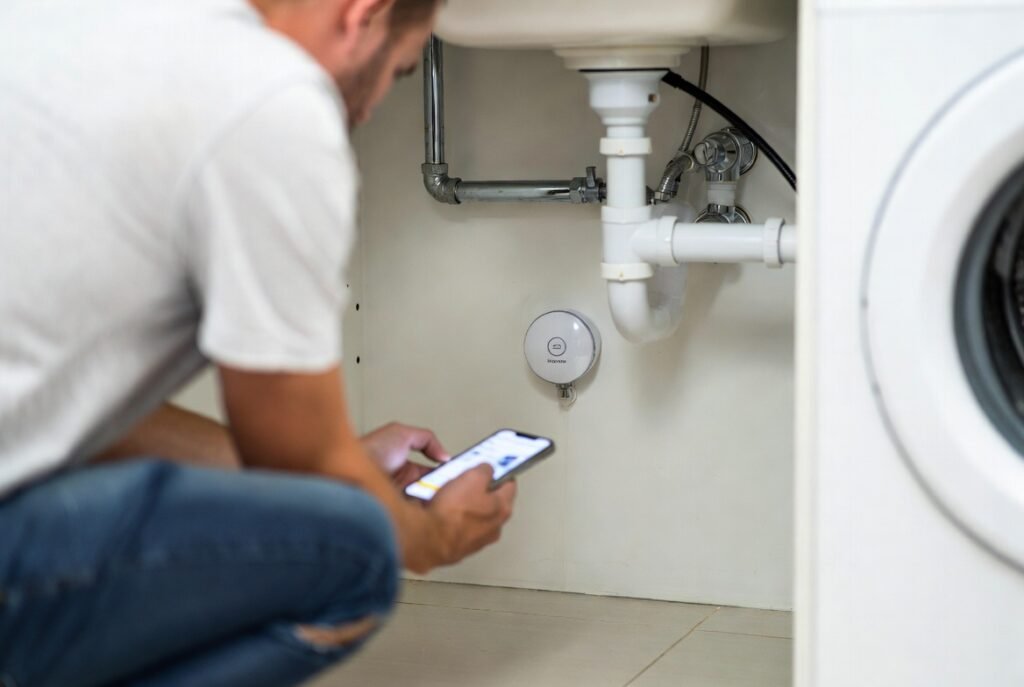
These sensors are usually close to sinks, hot and cold water heaters, basements, and appliances having water connections. They should be dry, in the right position (either mount or other stabilizing mechanism), and connected so that any leak is detected before damage is caused.
Examine Weekly Energy Usage Reports
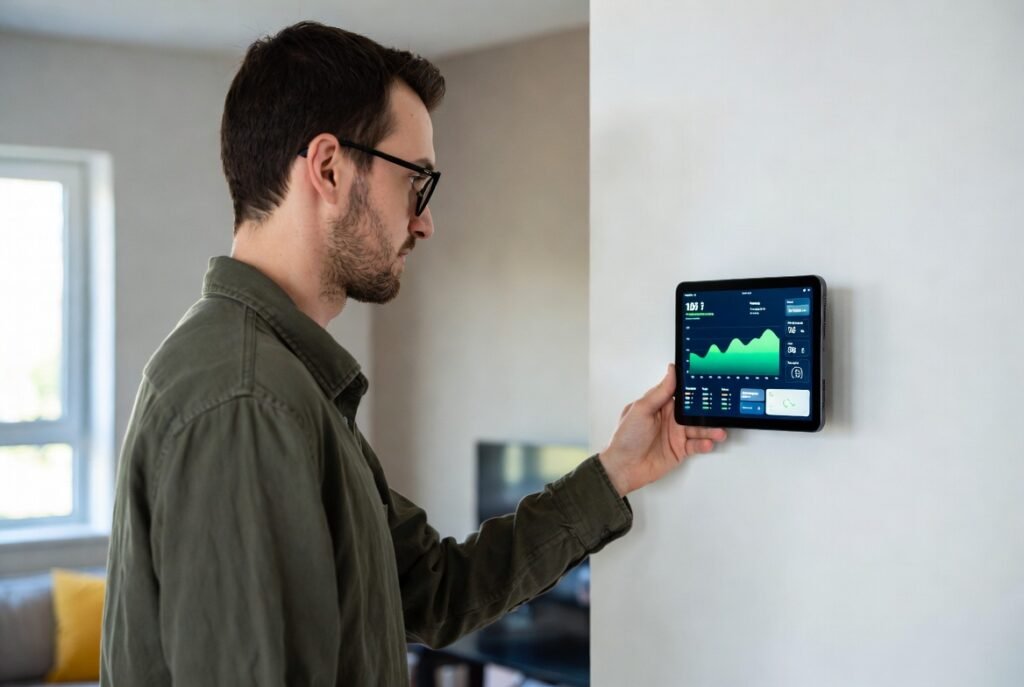
Inputting data from smart meters or smart apps and analyzing the energy used will help find spikes that are not typical from the norm above. Noticing increased usage early can signal a malfunctioning device, or, in some cases, ergocard inefficiencies that need to be addressed.
Update Smart Device Software and Firmware

Software updates also include pending firmware or app updates that increase a device’s efficiency, improves functions as well as addresses security holes. Keeping your smart home well updated ensures it remains secure and proper.
Carry out a Physical Home Walkthrough
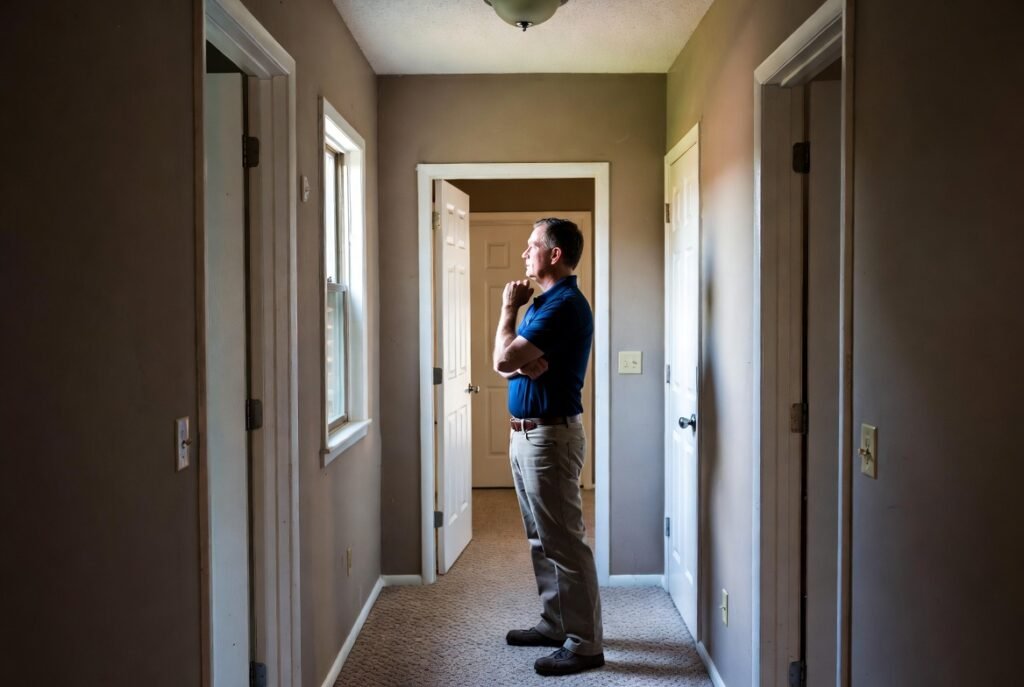
Cover all doors, windows, vents, the wiring visible outlets. Smart devices are dependent on a solid physical infrastructure, and very small physical issues can cause the whole system to take a dive.
Review Automations, Notifications, and Routines

Excellent condition automations which give increased convenience, efficiency, and reliability to an overall smart home are typically achieved when the clutters of old alerts are cleared out, test results of automation rules are recorded, and automation routines are modified according to life changes.