
While winter is the time of year when most people start worrying about their skin, the truth of the matter is that there is year-round commitment towards hydration. Cold temperatures outside would have no place in stripping the skin of its natural oils that were stripped by air conditioning, hot showers, soaps, or even from one’s diet. A healthy “skin barrier” secretes maintaining a soft, glowing complexion in all seasons.
Stop Taking Burningly Hot Showers
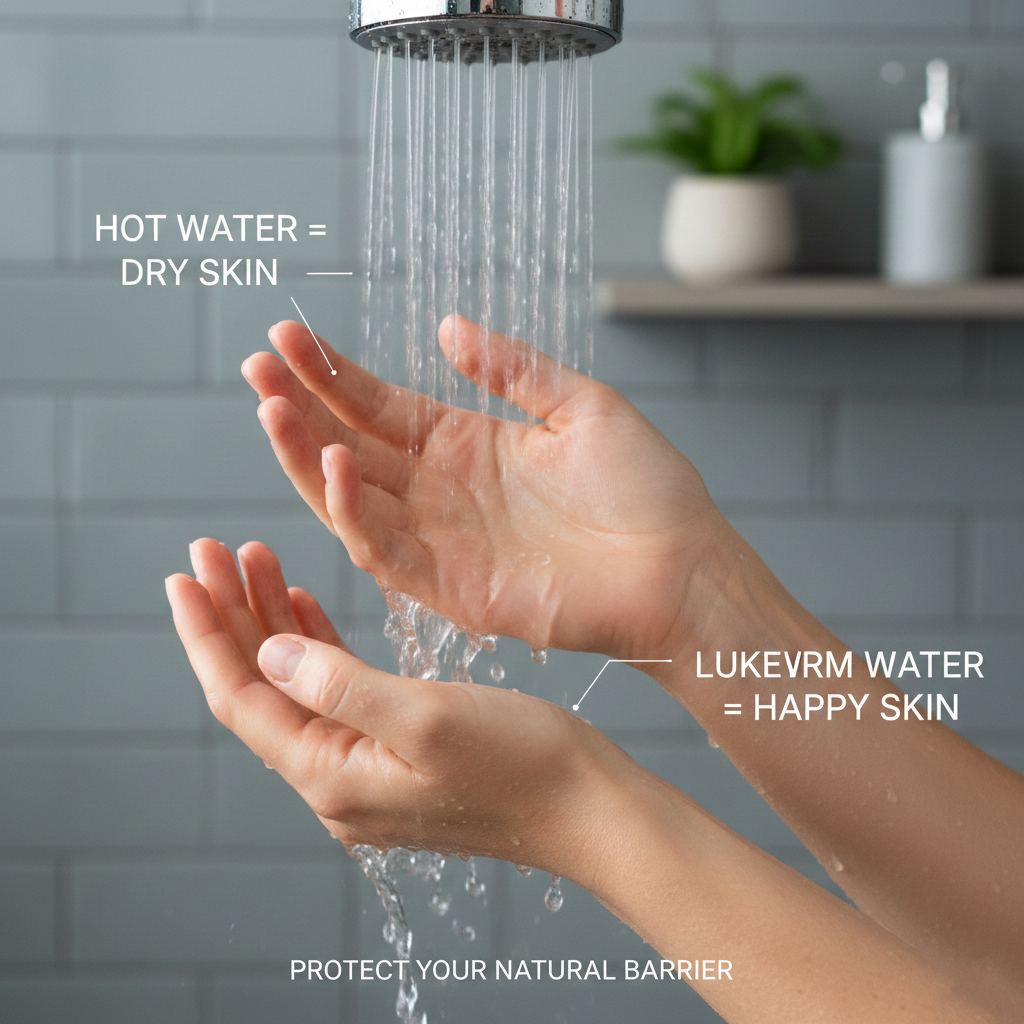
Hot water feels pretty good, but it is also the fastest way to dry out your skin. The higher temperatures take sebum (the oily substance using the waterproofing effect of the skin) away from the skin, so switch to lukewarm water for showering and face-washing to maintain that cool layer.
Apply Moisturizer onto Damp Skin
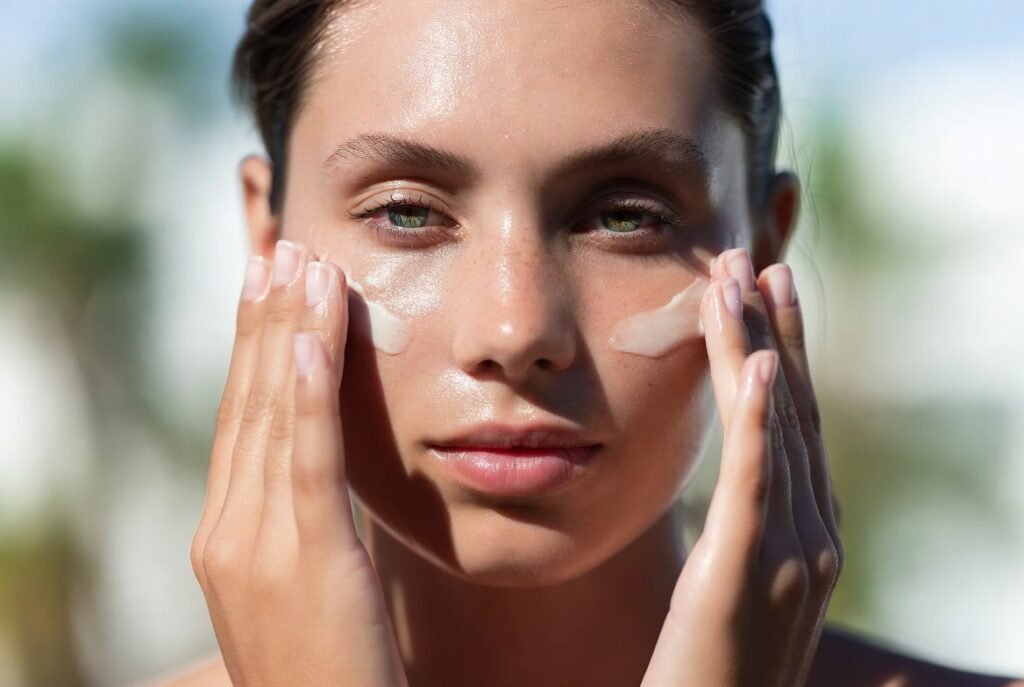
This is the moment: Don’t wait for dried, dead skin once you’re smiling from your bath, apply a lotion or cream while still somewhat damp to keep moisture ‘trapped’ on the surface, allowing penetration of the product further in the body for more intensive moisturizing.
Use Gentle Soap-Free Cleansers
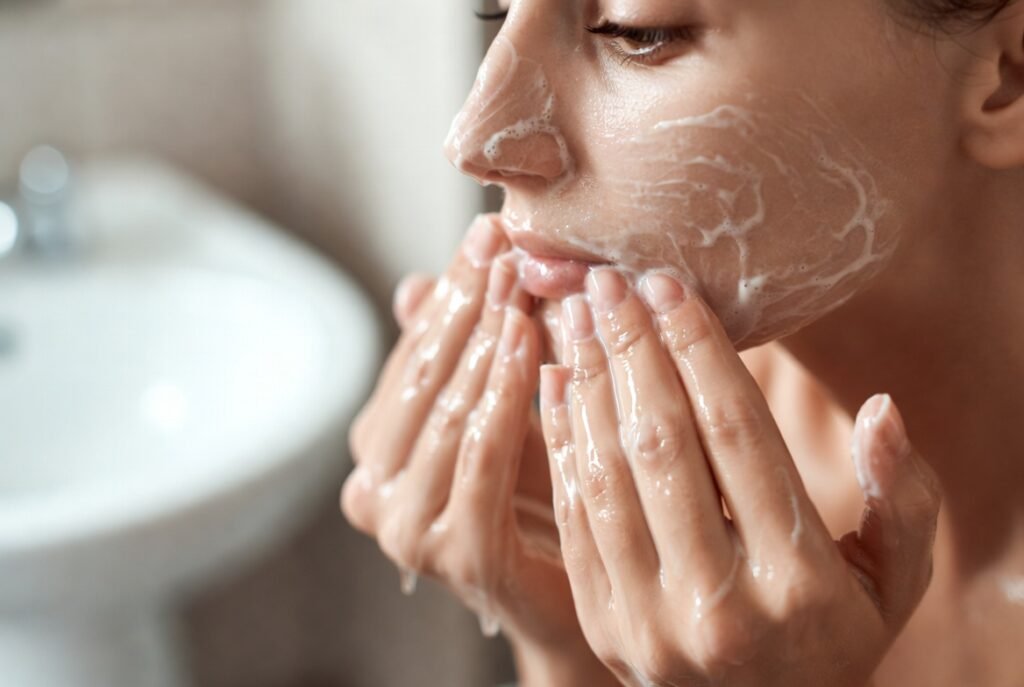
Many bars found in the bathroom have those harsh, penetrating detergents, hence interrupting the pH balance of the skin. Go for non-foaming or soap-free cleansers termed as hydrating or creamy which froth only enough to rid dirt and sweat but leave skin un-squeaky clean.
Hydrate: from Inside Out
There is simply no amount of fancy cream that may ever be able to substitute for drinking water. Skin is an organ where cells need water to function and stay plump, so on target should be water throughout the day concerning hydrated skin cells up from the bloodstream.
Eat Healthy Fats

Largely made of lipids themselves, the skin barrier is improved by inputting foods rich in Omega-3 fatty acids such as walnuts, flaxseeds, salmon, or avocados just like those which “waterproof” the skin from the inside. Such healthy fats make the skin soft and unflaky.
Do Not Over-Exfoliate
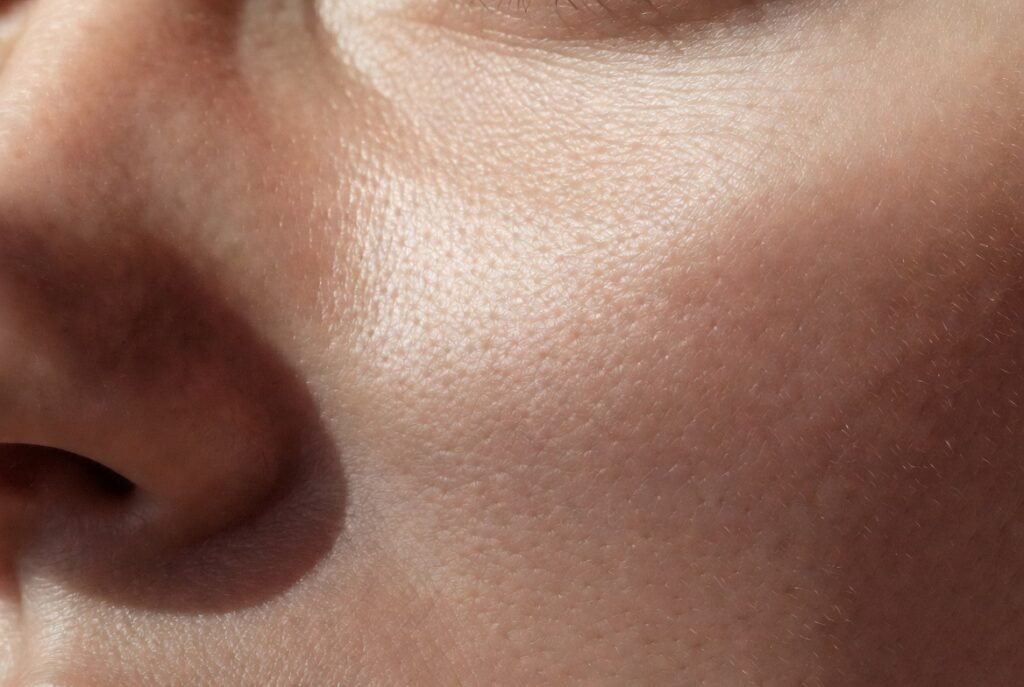
It’s important to slough off dead skin cells to maintain that all-glow look, but too little of it leaves little cracks in the barrier and moisture escapes. Exfoliation should be limited to once or twice a week and use of gentle chemical exfoliants (like lactic acid) is much better than those harsh scratchy scrubs.
Keep Humidifier on During Sleeping:

In summer, there’s no moisture with air conditioning and heaters in winter, so you can literally suck the water out of your body while sleeping under dry air. In the bedroom, fill in some moisture by using a humidifier so that you wake up with a supple face in the morning.
Check for “Humectants” in Ingredients

For those go-to items in skin care, ingredients such as hyaluronic acid and glycerin should be found. Humectants, as they’re best called, come to be water magnets as they pull from the environment and into the skin to keep the skin hydrated even in dry places.
Daily Use of Sunscreen

One of the main causes for chronic dryness in a person’s skin is damage due to the sun. Collagen and elastin that firm and moisturize skin begin breaking down under the attack of the harmful UV rays. Every day, even during cloudy weather or in the heart of winter, sunscreen should, at the very least, be SPF 30 on the skin.
Seal with an Occlusive
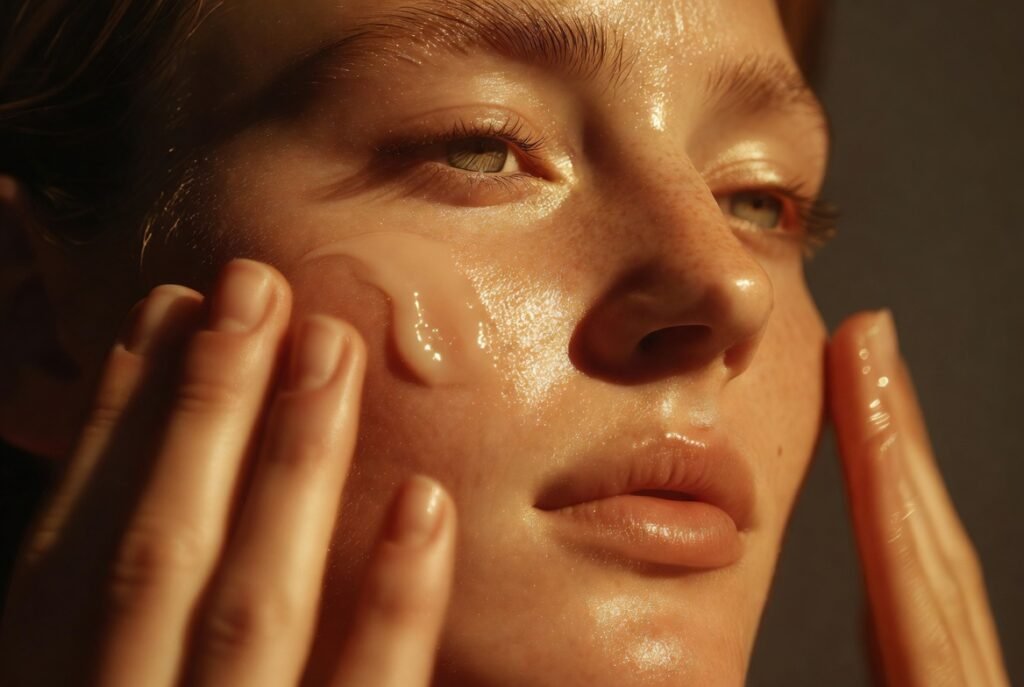
That little lotion may not be sufficient, particularly for those whose skin is like the desert. After moisturizing, then, “seal” it in with a little bit of face oil or thicker balm (an occlusive) – with such creating a physical barrier with the rest of the moisture retained deep within.
Be Mindful of Alcohol-Based Products

Most of the toners, perfumes, and hand sanitizers are mostly alcohol-reducing and come in very high concentrations. If it makes your skin feel a sting or develop an instant tightness, it is most likely stripping your natural oils. Instead, alcohol-free products should keep the skin calm.
Use Protective Clothing

Wind and sun spell out naturally drying agents. This was, in summer, by light linen sleeves from the sun’s heat; in winter, by gloves and scarves from windburn. Sometimes, the simplest method to prevent environmental dryness is to have physical protection.