The climate has one of the most powerful, yet often underestimated, influences on the skin’s well-being. In any case, women in the United States are exposed to a number of extreme environmental conditions-from freezing winters with humid summers, through dry air straight from the deserts, coastal wind, intense sun exposure to very often transitioning seasons. All that has an effect on how the skin is functioning, feeling, and aging over a certain period of time. Skin is never static; it is a responsive organ that changes with the coming of each new day with each unique event exposing it to different levels of heat and moisture, wind, pollution, and ultraviolet rays. These forces then interact with hormones, lifestyles, and habits of skin care to make one skin react quite differently comparing living conditions and the season being in. Below are the 10 important ways climate and weather otherwise known across the US affects women’s skin-from the perspective of interior hydration, sensitivity, and aging.
Cold Winters Dry-Up Moisture and Sweats
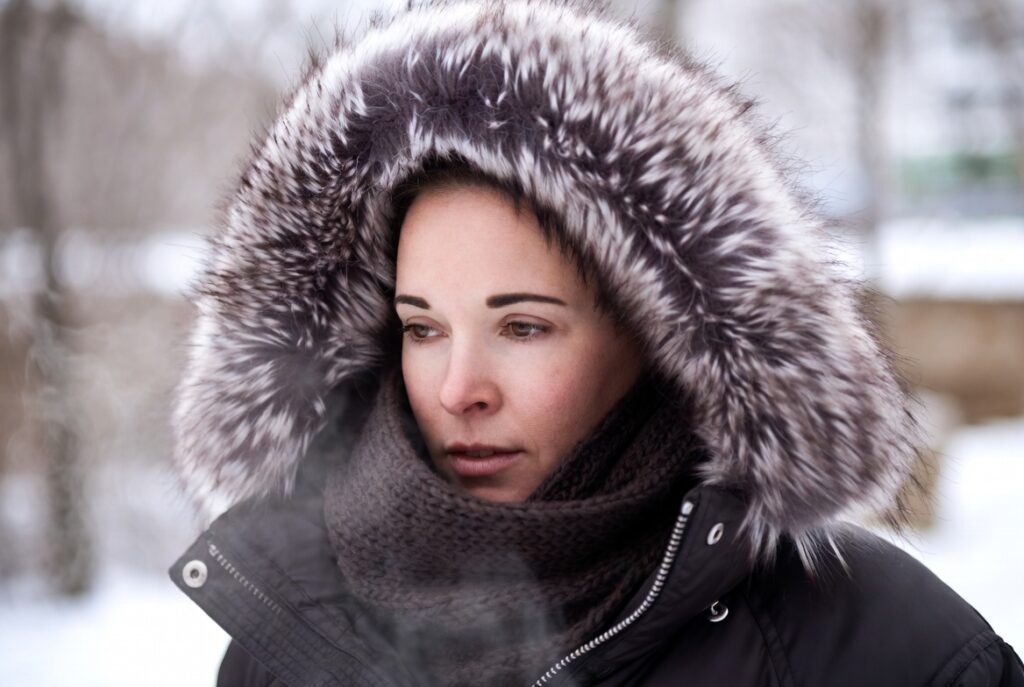
In colder climates, the winter air is devoid of moisture and this deprives the skin of maintaining hydration. The oil production slows down from one’s skin thus making it weak to form a protective barrier. The result is usually dryness, flaking, tightness, redness, and increased sensitivity on the face and hands.
Indoor Heating- Dry Skin Intensifies

Heating systems used during winter months dramatically reduce indoor humidity. Women may protect their skin on the outside, but prolonged dry indoor air will drain any moisture. Fine lines may appear more visible, and itching or discomfort may occur more often throughout the day.
Increases in Oil and Breakouts

Increases With Hot Humid Weather Heat causes oil and sweat production everywhere, especially in the southern and coastal parts of the U.S. Humidity does mitigate surface dryness, but the excess may also be more likely to clog pores, resulting in acne and congestion and even inflammation. Sweaty skin may contain pollutants and causing the imbalance.
Accelerated Aging Effects by UV Exposure
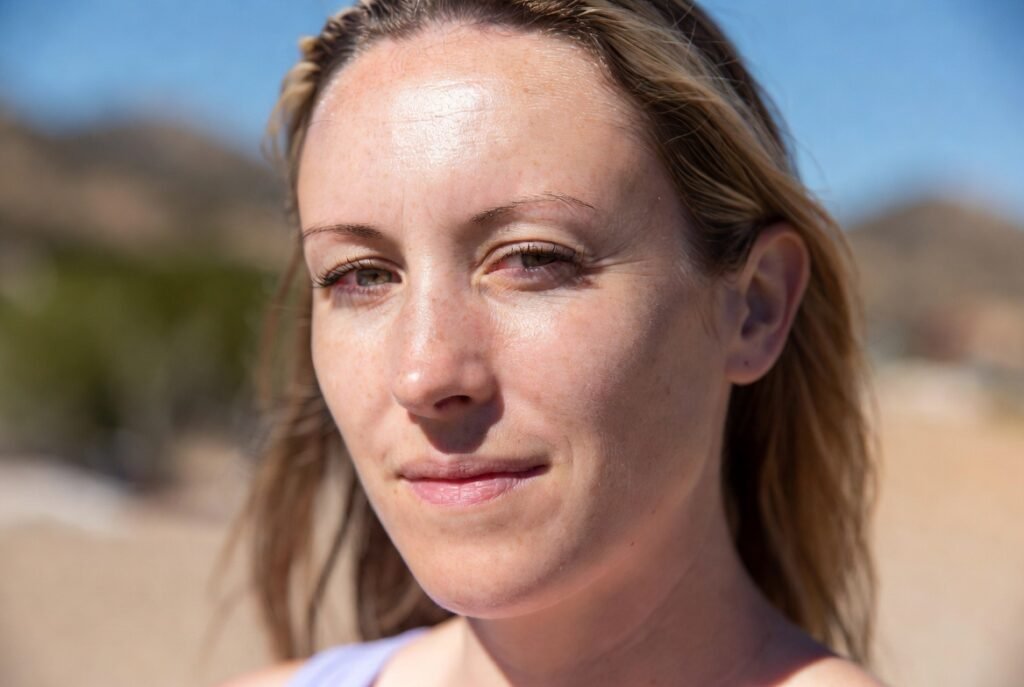
All regions in the United States have this same problem- the sun. Ultraviolet rays damage collagen and elastin; they come up with wrinkles, sagging, uneven tone, and dark spots. Women from states with more sun exposure or high-altitude areas have faster evidence of aging without sun protection on a regular basis.
Weakening skin barrier

When winds blow, they dry the moisture away from skin leaving it defenceless or vulnerable to external irritants. Your skin is subject to repeated wind assaults, increasing its redness, sensitivity, and reactivity: making your environment as much more stressful for your skin and intolerable of skin care treatment.
Chronic Dehydration by the Dry Desert Air
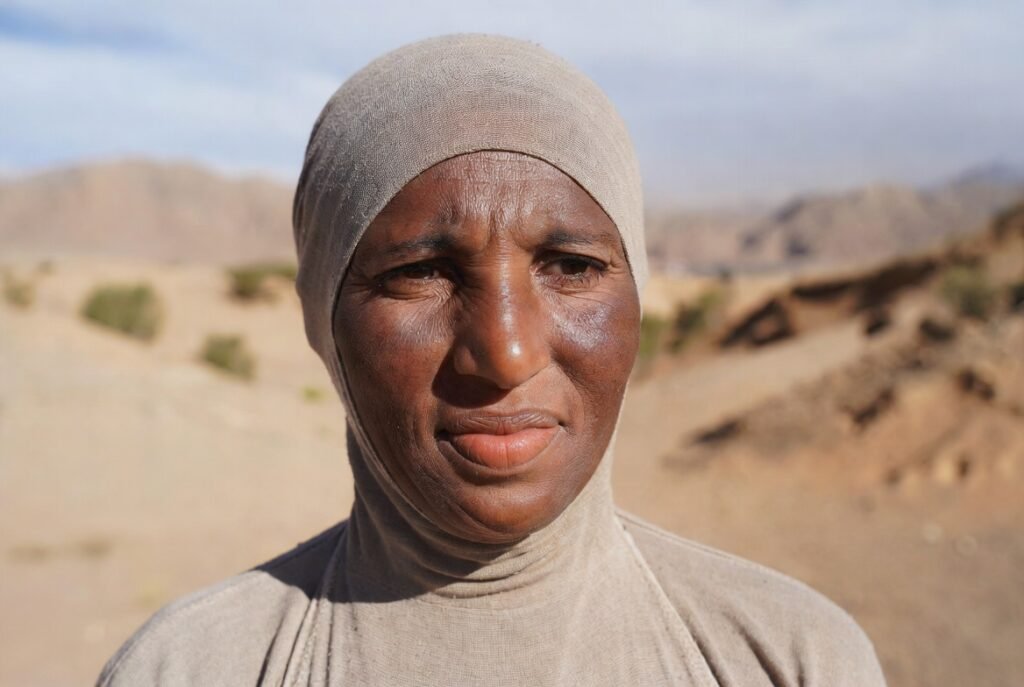
Areas constituting dry deserts, which are typically found in the southernmost regions of the West, always keep skin at levels of low humidity. In this constant environment, a continuous loss of water by the skin occurs, and as one observes in the external aspect, such skin will appear dull, ragged, and elastic. Over the years, fine lines get exaggerated, and skin would feel tight continuously.
Seasonal Scissors Destroy Skin Balance
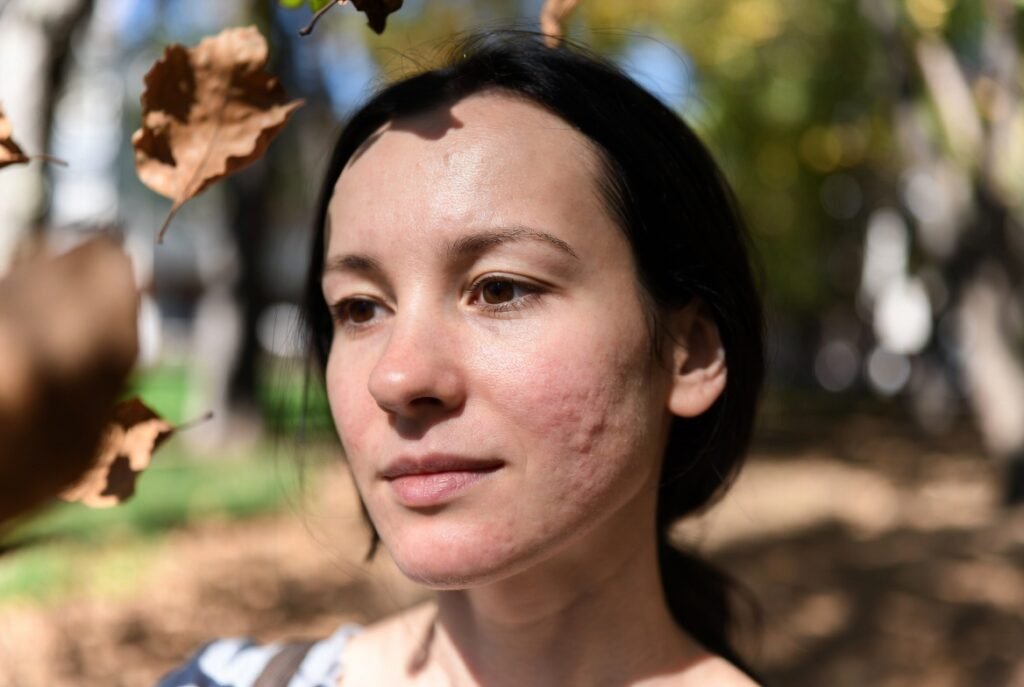
These temperature and humidity fluctuations have an especially hard effect in spring and autumn. The skin gets confused about its regulatory systems and the skin surfaces often suffer from breakouts, dryness, or increased sensitivity. Many women have flare-ups with the transition from one season to another.
Increase Inflammation due to Air Pollution in Urban Areas
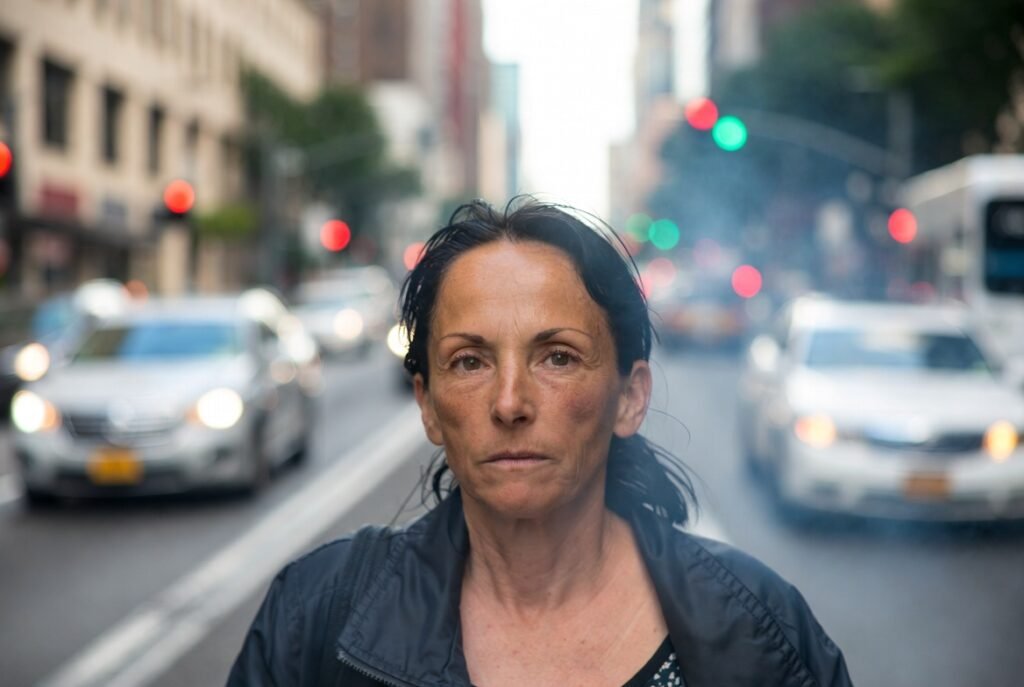
Women in larger cities breathe with increased pollution deposition onto their skin creating free radicals that rapidly aging, tearing a hole in the barrier, increasing dullness, and contributing to inflammation. Pollution too could worsen acne and hypersensitivity.
Climate extremes make existing skin conditions worse

Heat spells, cold spells, or even extremes of climate challenge the skin. Skin conditions like eczema, rosacea, psoriasis, and acne usually get worsened during extreme weather conditions since the skin’s threshold for tolerance is lowered and the function of the barrier is compromised.
Climate is a Factor Dictating How Much Skin Reacts to a Product

Different climates make skincare products have strange reactions. Rich creams feel nourished in cold dry weather, heavy, and pore clogging in humidity. Lightweight gels may do wonders in summer, while winter puts on a possible chance for skin to be compromised. Climate affects, in direct terms absorption, comfort, and efficacy.