Very rarely does one come across a person who has such bright red hair and such beautiful blue eyes that one is taken aback, and the reason is that such an occurrence is extremely rare. The strangeness of this combination, which is less than 1% of the global population, might be even around 0.17%, and is nevertheless backed by scientific proof. It is all about genetic interaction (or noninteraction). Here are the 10 reasons this combo stands out as super rare.
Red Hair Comes from a Specific Gene Mutation
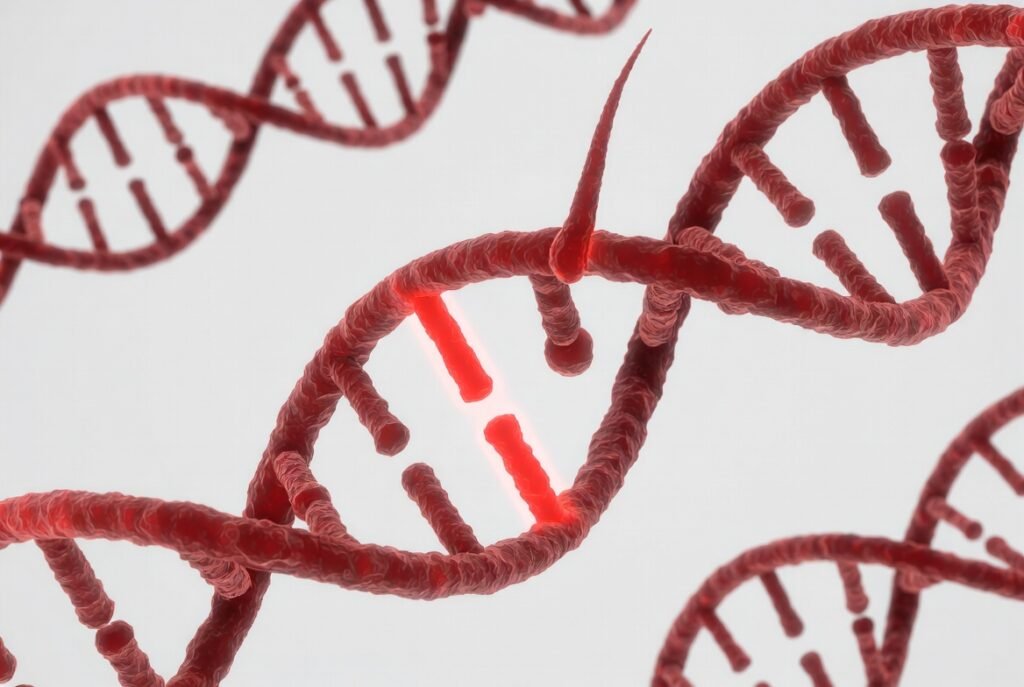
The MC1R gene, located on the 16th chromosome is responsible for the kind of melanin that is created. If it undergoes a mutation, the cells will produce more pheomelanin (red dye) in lieu of eumelanin (brown/black). Since this is a recessive trait, it requires two copies to be present for manifestation; thus, naturally red-headed people make up just 1-2% of the world’s population.
Blue Eyes Are Also Recessive
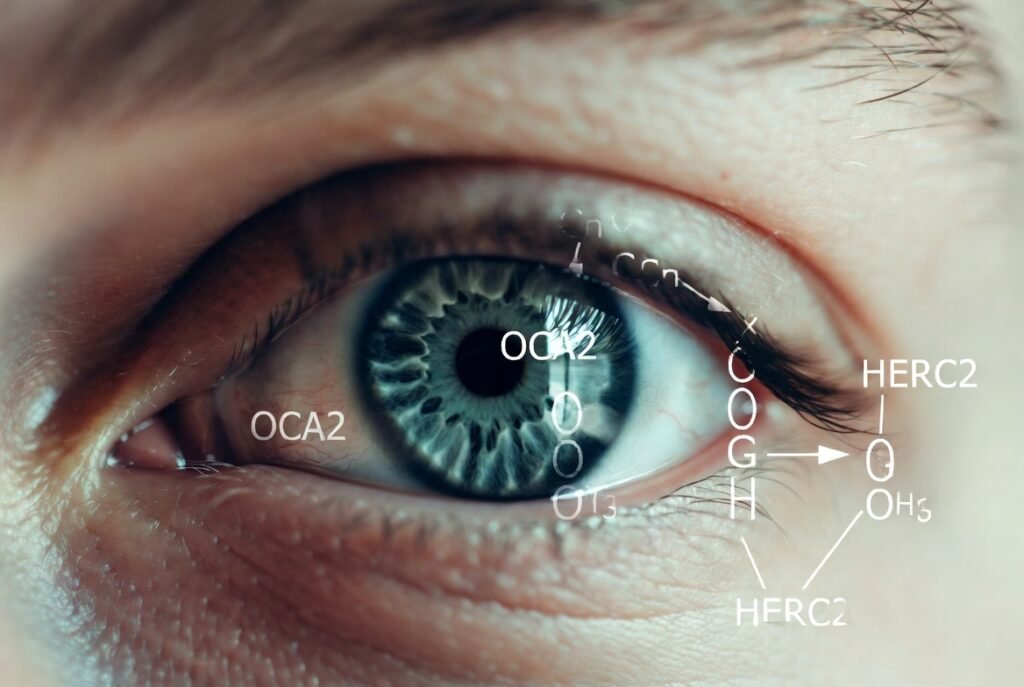
Blue eyes are a result of very low melanin in the iris, mainly attributed to the OCA2 and HERC2 gene mutations on chromosome 15. It is just like red hair, a recessive trait that can only be seen if the individual has both its alleles; about 17% of people have blue eyes, but to get a red-haired, blue-eyed person, they must have both sets of rare genes.
The Genes Are on Different Chromosomes
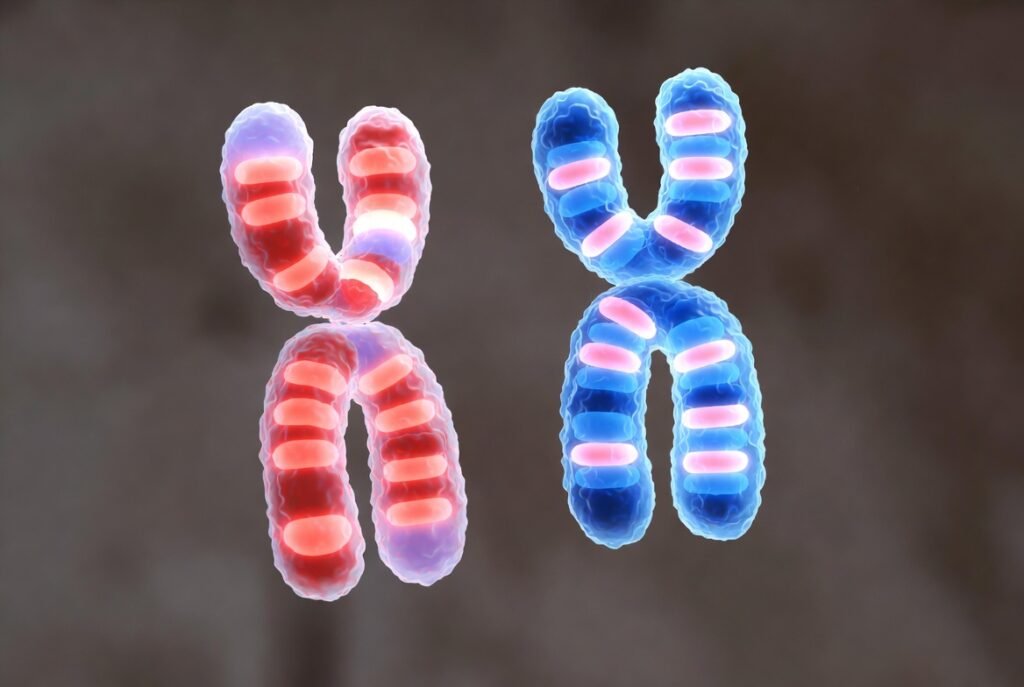
MC1R for hair sits on one chromosome, while the main eye color genes are on another. They don’t travel together naturally, so inheriting both recessive pairs from parents is like winning a genetic lottery – odds drop way below what you’d expect from each trait alone.
A Tweak Makes It Even Rarer
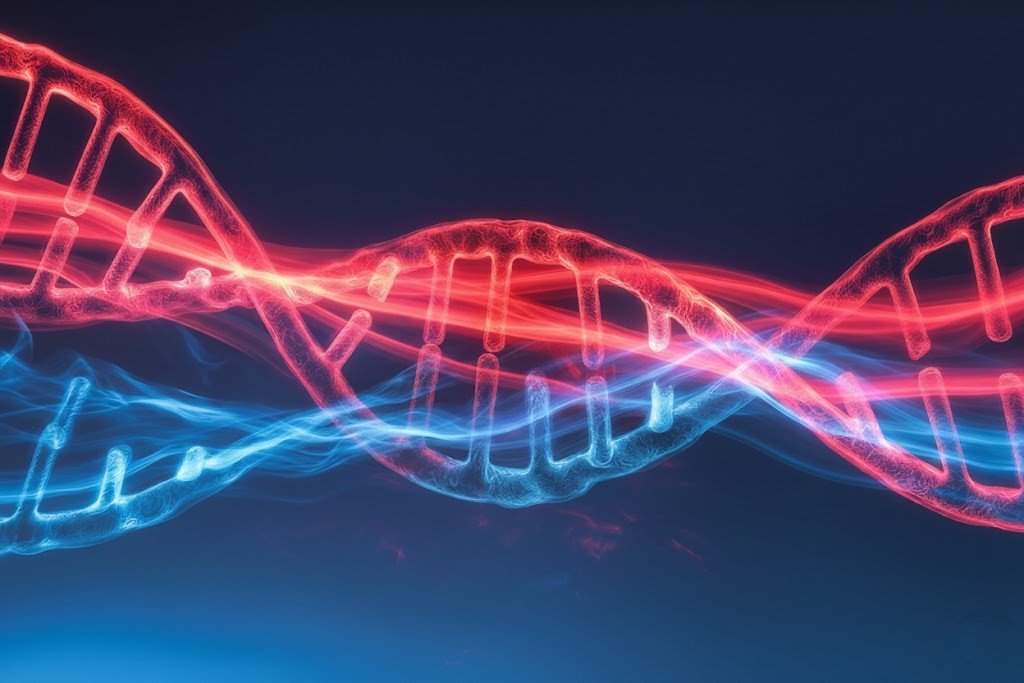
The HERC2 gene can turn down brown melanin production for blue eyes, but when combined with MC1R red variants, it rarely lines up perfectly. Studies show this interaction pushes the combo to under 0.17% worldwide, basically one in every 600 people or fewer.
Most Redheads Don’t Have Blue Eyes
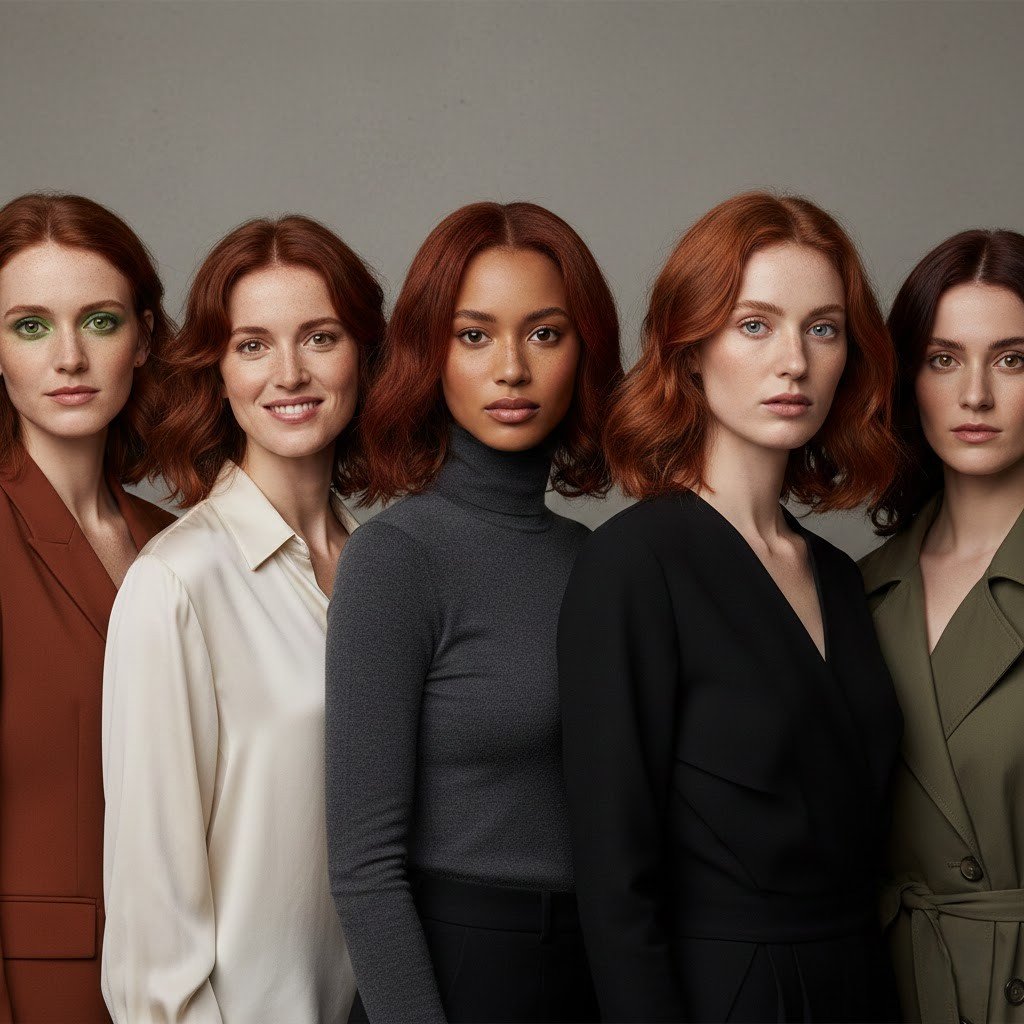
Among redheads, brown, hazel, or green eyes are more common because higher melanin often pairs with the red mutation. Blue requires super low melanin overall, which clashes with some redhead genetics, with only a small fraction ending up with that icy contrast.
It’s Concentrated in Certain Areas
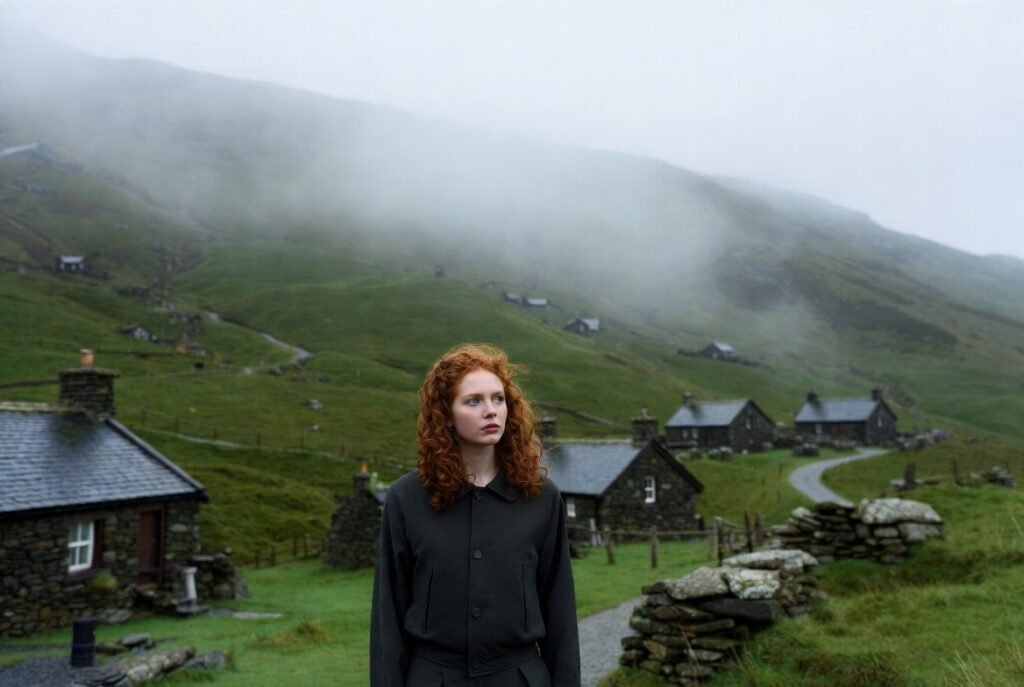
The traits pop up more in Northern Europe, like Scotland or Ireland where red hair hits 10-30% in spots. Even there, full blue-eyed redheads stay uncommon because mixing with other populations brings in dominant brown genes over time.
Recessive Traits Skip Generations

Parents can carry hidden versions without showing them, so the combo surprises families sometimes. But both mom and dad need to pass the exact recessive matches, slim chances unless there’s a strong red/blue history on both sides.
No Direct Link Between the Traits
Unlike blonde hair often pairing with blue eyes on the same chromosome area, red and blue have no built-in connection. That independence means random chance rules, keeping the pairing scarce despite both being recessive.
Population Numbers Tell the Story
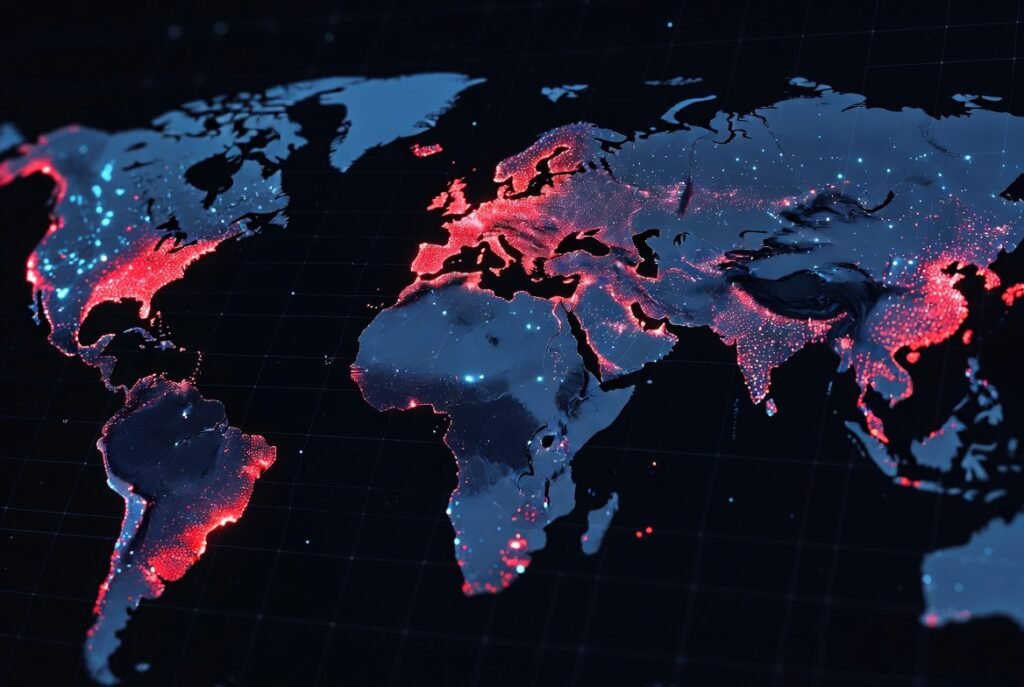
With red hair at 1-2% and blue eyes at 17%, simple math suggests around 0.17-0.34% overlap if independent. Real studies adjust it lower due to gene interactions with millions worldwide, but it still feels like spotting a unicorn.
It Won’t Disappear Anytime Soon
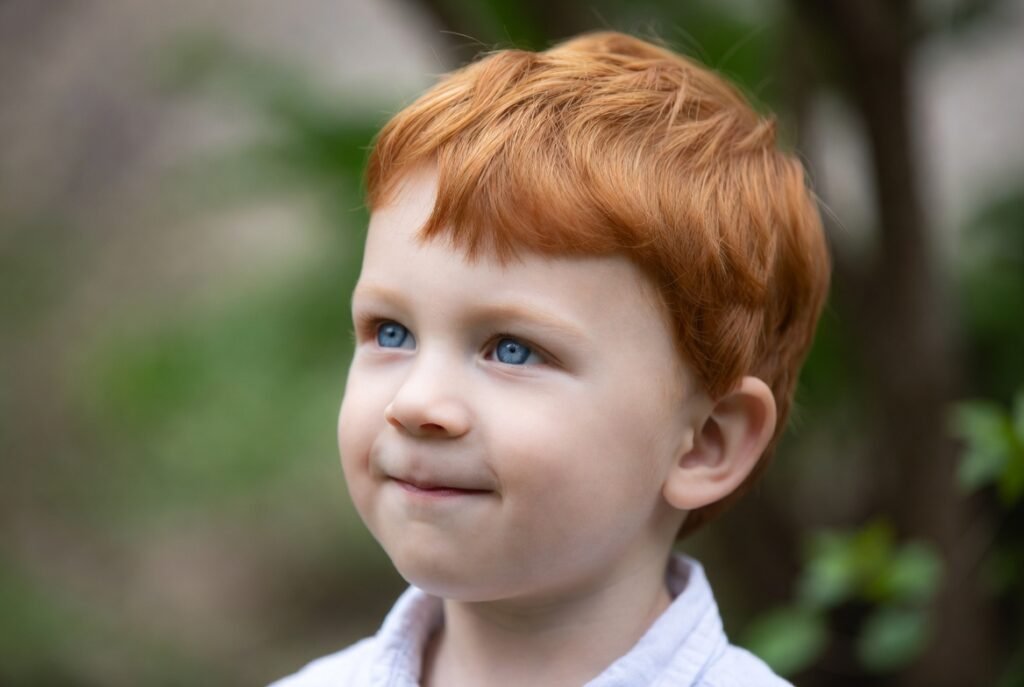
Though it is not apparent, the carriers sustain the genes and therefore the recessive combinations are still there. Mixing populations might dilute it slightly, but hidden versions ensure occasional red-haired, blue-eyed kids keep showing up unexpectedly.