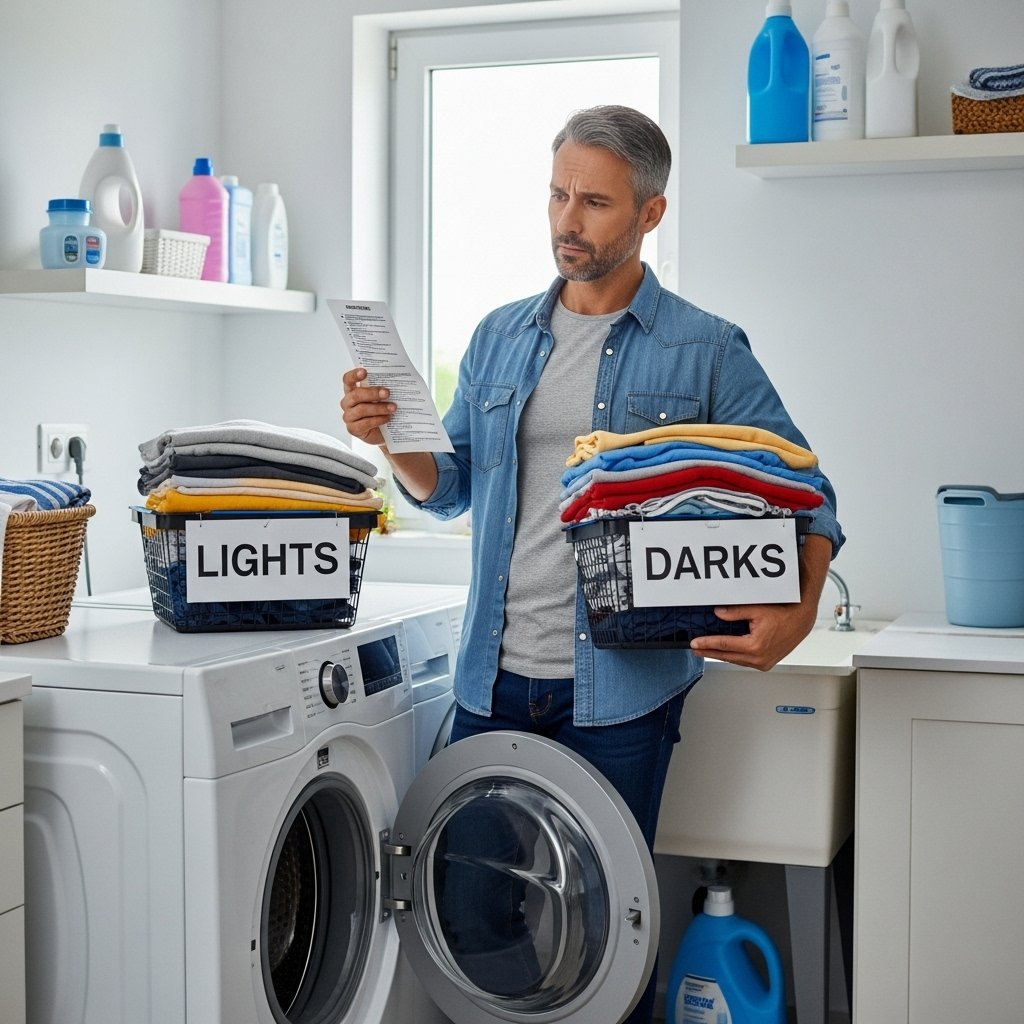
Cold-water washing is environmentally and fabric-friendly. Not all solutions suit everyone and everything; however, this temperature, below 30 degrees in most cases, is good for preventing color bleeding or shrinkage of delicacies. Nevertheless, without the required energy extraction from warm water, the laundry will look clean and yet be biologically dirty.
Bedding and Bed Covers

We spend a third of our lives asleep-in bed will be sweat, skin cell detritus, and even minute dust mites. Cold water kills neither these mites nor the oily residues on one’s skin. Thus hot water would actually dissolve those biological proteins, leaving the bedding thoroughly sanitized and allergy-free at least at 60 degrees Celsius.
Bathing Towels Hot

A towel absorbs moisture but allows bacterial growth easily within its fibers. If towels are forever washed in cold water, then soon enough these towels will carry a musty smell. This clinical evidence shows that some bacteria and mildew are trapped in it. Only hot water can break the fibers and rinse all that dirt and old smell.
Kitchen linens
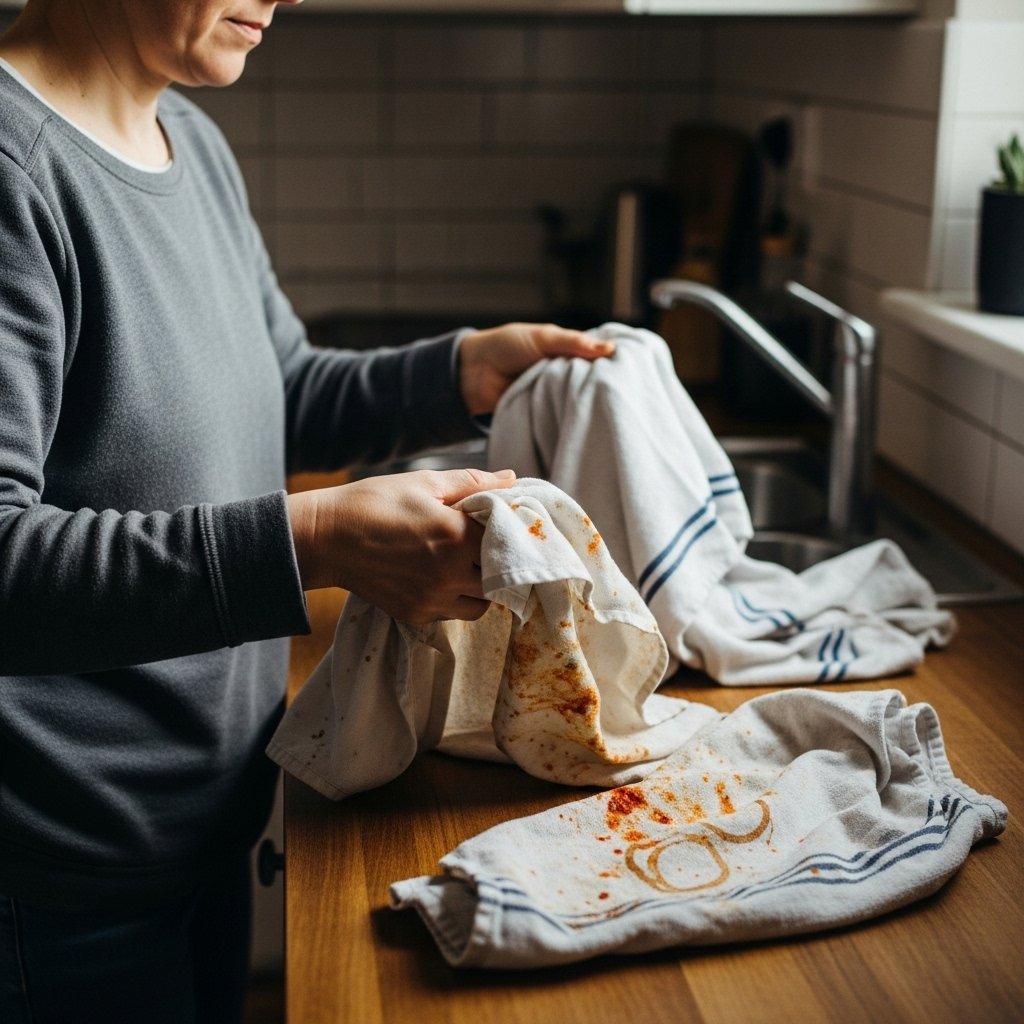
Dishcloths and tea towels can be dripping with food, fats, or raw meat juices. They become less contaminated when washed cold- a hygiene hazard since existing bacteria spots have not been terminated, but are only moved somewhere else.
Sweaty Gym Wear

These synthetic fabrics moisture-wicking action draws sweat away but holds body oils and bacteria. Cold water could not dissolve these oils, securing this gym smell. Warm water, in turns, releases the trapped odors from those synthetic fiber openings freely into the freshness.
Baby clothes of cloth diapers or stained baby clothes

Very heavily soiled items from biological waste, and need to be either fully sanitized or nearly so. Such that the bacterium or viruses could not be left behind by the cold water to cause irritation or illness. Only a true hot cycle can assure medical cleanliness from exposure and safety from the baby’s sensitive skin.
White cotton clothes

Cold water would not do bright work: it won’t make the whites of T-shirts and socks very cold. The oil from the body takes a while to yellow, and cold water hardly even lifts that oil. Hot water enables the detergent to get activated to destroy the working credit of cold water to keep those whites looking dingy and greyish.
Cleaning rags
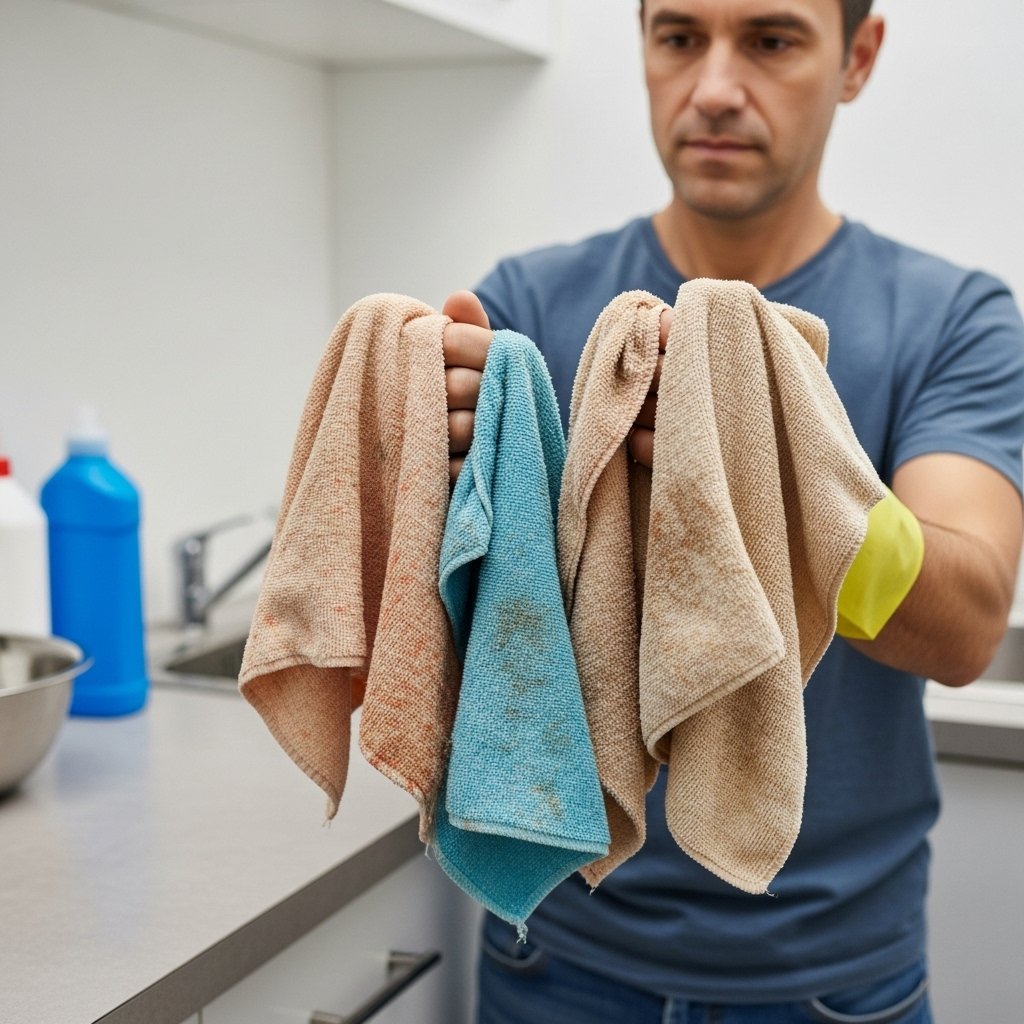
Cleaning rags are generally dirty, containing dirt and chemicals. Cold water does not have any cutting power to strip those substances. Hi-temperatures should be used in washing these rags to ensure your next cleaning is not contaminated.
Handkerchiefs and Snotty Clothes

After an illness amongst the household, cold water is junior to hot water in neutralizing the majority of the hardy germs and viruses that are held responsible for cough and sneeze flu. Cold water might simply move the germs around the rest of the laundry within the same wash load.
Very Greasy Workwear

By that, I mean, if you’ve been encroached under a car or soaked in grease from some messy DIY project; cold water will actually set grease into a fabric. Since oil and water really do not mix, the greater the temperature of the hot cycle will liquefy the grease back again so the soap can wash it away.